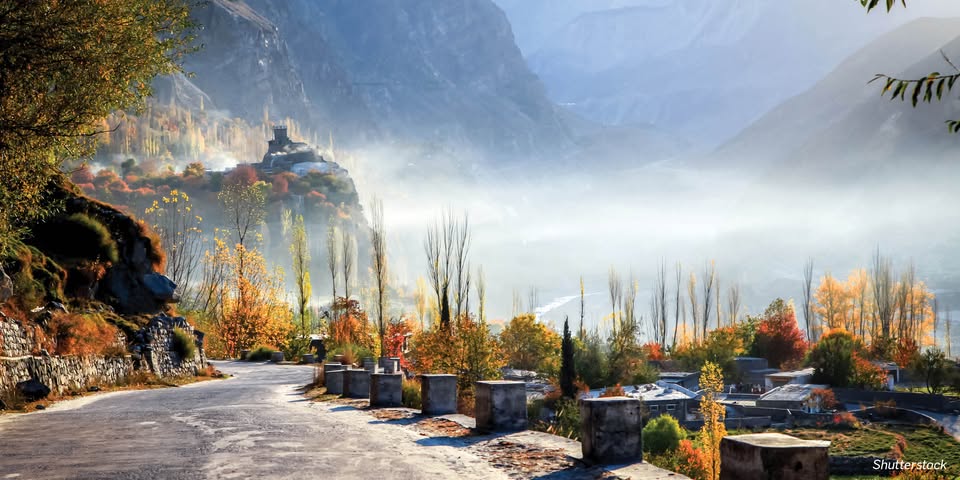

Pakistan is home to some of the world's most spectacular mountain landscapes, from the Karakoram and Himalayas to the forests, valleys, deserts and coastline. As tourism continues to grow, responsible travel has become increasingly important. Eco-tourism is not simply about visiting beautiful places—it is about protecting them while supporting the communities that call them home.
Whether you are trekking in Gilgit-Baltistan, camping in Khyber Pakhtunkhwa, exploring Kashmir or visiting Pakistan's coastal and desert regions, a few simple choices can make your journey more sustainable.
🌿 1. Leave No Trace
One of the most important principles of responsible tourism is simple: leave the destination as you found it—or better.
Carry your rubbish with you and dispose of it properly. Avoid leaving plastic bottles, food packaging, tissues or other waste on trekking routes and at campsites. In remote areas where waste collection is unavailable, take your non-biodegradable waste back to the nearest appropriate disposal point.
Never leave camping equipment, batteries or other materials behind.
🚯 2. Say No to Single-Use Plastic
Plastic waste is becoming a major problem in popular tourist destinations. Carry a reusable water bottle and refill it whenever safe drinking-water facilities are available.
Avoid unnecessary plastic bags, disposable cups and single-use bottles. When purchasing snacks or supplies, choose products with minimal packaging whenever possible.
Small changes become significant when thousands of travelers adopt them.
🏔️ 3. Stay on Established Trails
Mountain ecosystems can be extremely fragile. Alpine meadows, forests and vegetation may take years to recover from damage.
When trekking, stay on established trails rather than creating shortcuts. Avoid walking through cultivated fields or sensitive vegetation, and do not disturb plants, flowers or natural formations.
Responsible trekking helps preserve these landscapes for future generations.
4. Camp Responsibly
Camping provides an incredible way to experience Pakistan's wilderness, but campsites should be treated with care.
Set up your tent in designated camping areas whenever possible. Avoid camping too close to rivers, lakes or wildlife habitats. Keep noise levels low, particularly at night.
If you build a campfire, only do so where permitted and where local conditions make it safe. Never cut living trees for firewood. Better still, use a camping stove where practical.
Before leaving, inspect your campsite carefully and make sure nothing has been left behind.
💧 5. Protect Rivers and Lakes
Pakistan's mountain rivers and alpine lakes are among its greatest natural treasures.
Never throw rubbish, soap, chemicals or other pollutants into rivers or lakes. When washing dishes or yourself while camping, stay away from natural water sources and use environmentally appropriate methods.
Clean water is essential not only for travelers but also for local communities, livestock and wildlife.
🐐 6. Respect Wildlife
Pakistan has extraordinary biodiversity, including species such as the snow leopard, Himalayan ibex, markhor and Himalayan brown bear.
Observe wildlife from a safe distance and never attempt to feed, chase or touch wild animals. Avoid loud noises that may disturb them.
Do not purchase products made from endangered or protected wildlife. Responsible travelers should appreciate wildlife without interfering with it.
🏘️ 7. Support Local Communities
Eco-tourism should benefit the people living in the destinations we visit.
Whenever possible, choose locally owned guesthouses, restaurants, guides, transport providers and tour operators. Purchase locally made handicrafts and products rather than mass-produced souvenirs.
Hiring local guides can also provide you with a richer travel experience while ensuring tourism income reaches the communities directly.
Your spending can help create employment and encourage communities to protect their natural environment.
🧑🤝🧑 8. Respect Local Culture and Traditions
Pakistan has extraordinary cultural diversity, particularly in regions such as Gilgit-Baltistan, Chitral, Kashmir and Khyber Pakhtunkhwa.
Dress appropriately for the location, ask permission before photographing people and respect local customs, religious sites and private property.
Remember that villages and cultural sites are people's homes and communities—not simply tourist attractions.
A respectful traveler observes, learns and participates without imposing their own expectations.
📸 9. Photograph Responsibly
Photography is one of the best ways to preserve memories of your journey, but it should never come at the expense of people's privacy or the environment.
Ask permission before photographing individuals, particularly children and local residents. Avoid climbing onto fragile historical structures or damaging natural formations simply to get a better photograph.
Sometimes the best photograph is the one that allows the landscape to remain completely untouched.
🚙 10. Travel Efficiently
Transportation can be one of the largest sources of environmental impact during a trip.
Whenever practical, share vehicles with other travelers, use public transportation and choose efficient transport options. For mountain journeys requiring 4×4 vehicles, group travel can reduce the number of vehicles traveling on the same route.
Plan your itinerary efficiently rather than making unnecessary journeys between destinations.
🥾 11. Choose Responsible Tour Operators
Your choice of tour operator matters.
Look for operators that:
* Follow responsible waste-management practices
* Employ local guides and staff
* Respect local communities
* Avoid environmentally damaging activities
* Follow established trekking routes
* Educate travelers about responsible tourism
* Support local businesses
* Maintain appropriate group sizes
A responsible tour company should treat the environment and local communities as part of the destination's value—not obstacles to tourism.
🏞️ 12. Respect Protected Areas
Pakistan has numerous national parks, wildlife sanctuaries and protected areas.
Always follow local regulations regarding camping, trekking, wildlife, fires, fishing and vehicle access. Some areas may have restrictions designed specifically to protect sensitive ecosystems.
Rules can vary between destinations, so check current requirements before starting your journey.
🍃 13. Reduce Food Waste
Food waste can attract wildlife and create sanitation problems at remote campsites.
Plan meals carefully, carry only what you need and pack leftover food responsibly. Avoid throwing food scraps into natural areas.
When possible, eating at local restaurants and guesthouses also supports the local economy.
🧴 14. Choose Environmentally Friendly Products
Small personal-care choices can also reduce environmental impact.
Consider biodegradable soaps and shampoos when appropriate, reusable containers and environmentally friendly toiletries. However, even biodegradable products should never be used directly in rivers, lakes or other natural water sources.
📚 15. Learn Before You Travel
Responsible tourism begins before you leave home.
Research your destination, understand local customs, learn about the environment and check weather and access conditions. Knowing what to expect allows you to make better decisions once you arrive.
If you're visiting a remote mountain region, learn basic principles of mountain safety, waste management and Leave No Trace practices.
🌱 The Future of Tourism in Pakistan
Pakistan has enormous potential for sustainable tourism. From the high-altitude landscapes of Gilgit-Baltistan to the forests of Khyber Pakhtunkhwa, the valleys of Kashmir and the coastline of Balochistan, the country's natural heritage is an asset that must be protected.
Responsible tourism doesn't mean giving up adventure or comfort. It means travelling with greater awareness.
Carry your waste. Respect local communities. Protect wildlife. Stay on trails. Support local businesses. Use resources responsibly.
Most importantly, remember that every traveler leaves an impact.
**The goal of eco-tourism is simple: explore more, protect more and leave less behind.**
Whether you are trekking in Gilgit-Baltistan, camping in Khyber Pakhtunkhwa, exploring Kashmir or visiting Pakistan's coastal and desert regions, a few simple choices can make your journey more sustainable.
🌿 1. Leave No Trace
One of the most important principles of responsible tourism is simple: leave the destination as you found it—or better.
Carry your rubbish with you and dispose of it properly. Avoid leaving plastic bottles, food packaging, tissues or other waste on trekking routes and at campsites. In remote areas where waste collection is unavailable, take your non-biodegradable waste back to the nearest appropriate disposal point.
Never leave camping equipment, batteries or other materials behind.
🚯 2. Say No to Single-Use Plastic
Plastic waste is becoming a major problem in popular tourist destinations. Carry a reusable water bottle and refill it whenever safe drinking-water facilities are available.
Avoid unnecessary plastic bags, disposable cups and single-use bottles. When purchasing snacks or supplies, choose products with minimal packaging whenever possible.
Small changes become significant when thousands of travelers adopt them.
🏔️ 3. Stay on Established Trails
Mountain ecosystems can be extremely fragile. Alpine meadows, forests and vegetation may take years to recover from damage.
When trekking, stay on established trails rather than creating shortcuts. Avoid walking through cultivated fields or sensitive vegetation, and do not disturb plants, flowers or natural formations.
Responsible trekking helps preserve these landscapes for future generations.
4. Camp Responsibly
Camping provides an incredible way to experience Pakistan's wilderness, but campsites should be treated with care.
Set up your tent in designated camping areas whenever possible. Avoid camping too close to rivers, lakes or wildlife habitats. Keep noise levels low, particularly at night.
If you build a campfire, only do so where permitted and where local conditions make it safe. Never cut living trees for firewood. Better still, use a camping stove where practical.
Before leaving, inspect your campsite carefully and make sure nothing has been left behind.
💧 5. Protect Rivers and Lakes
Pakistan's mountain rivers and alpine lakes are among its greatest natural treasures.
Never throw rubbish, soap, chemicals or other pollutants into rivers or lakes. When washing dishes or yourself while camping, stay away from natural water sources and use environmentally appropriate methods.
Clean water is essential not only for travelers but also for local communities, livestock and wildlife.
🐐 6. Respect Wildlife
Pakistan has extraordinary biodiversity, including species such as the snow leopard, Himalayan ibex, markhor and Himalayan brown bear.
Observe wildlife from a safe distance and never attempt to feed, chase or touch wild animals. Avoid loud noises that may disturb them.
Do not purchase products made from endangered or protected wildlife. Responsible travelers should appreciate wildlife without interfering with it.
🏘️ 7. Support Local Communities
Eco-tourism should benefit the people living in the destinations we visit.
Whenever possible, choose locally owned guesthouses, restaurants, guides, transport providers and tour operators. Purchase locally made handicrafts and products rather than mass-produced souvenirs.
Hiring local guides can also provide you with a richer travel experience while ensuring tourism income reaches the communities directly.
Your spending can help create employment and encourage communities to protect their natural environment.
🧑🤝🧑 8. Respect Local Culture and Traditions
Pakistan has extraordinary cultural diversity, particularly in regions such as Gilgit-Baltistan, Chitral, Kashmir and Khyber Pakhtunkhwa.
Dress appropriately for the location, ask permission before photographing people and respect local customs, religious sites and private property.
Remember that villages and cultural sites are people's homes and communities—not simply tourist attractions.
A respectful traveler observes, learns and participates without imposing their own expectations.
📸 9. Photograph Responsibly
Photography is one of the best ways to preserve memories of your journey, but it should never come at the expense of people's privacy or the environment.
Ask permission before photographing individuals, particularly children and local residents. Avoid climbing onto fragile historical structures or damaging natural formations simply to get a better photograph.
Sometimes the best photograph is the one that allows the landscape to remain completely untouched.
🚙 10. Travel Efficiently
Transportation can be one of the largest sources of environmental impact during a trip.
Whenever practical, share vehicles with other travelers, use public transportation and choose efficient transport options. For mountain journeys requiring 4×4 vehicles, group travel can reduce the number of vehicles traveling on the same route.
Plan your itinerary efficiently rather than making unnecessary journeys between destinations.
🥾 11. Choose Responsible Tour Operators
Your choice of tour operator matters.
Look for operators that:
* Follow responsible waste-management practices
* Employ local guides and staff
* Respect local communities
* Avoid environmentally damaging activities
* Follow established trekking routes
* Educate travelers about responsible tourism
* Support local businesses
* Maintain appropriate group sizes
A responsible tour company should treat the environment and local communities as part of the destination's value—not obstacles to tourism.
🏞️ 12. Respect Protected Areas
Pakistan has numerous national parks, wildlife sanctuaries and protected areas.
Always follow local regulations regarding camping, trekking, wildlife, fires, fishing and vehicle access. Some areas may have restrictions designed specifically to protect sensitive ecosystems.
Rules can vary between destinations, so check current requirements before starting your journey.
🍃 13. Reduce Food Waste
Food waste can attract wildlife and create sanitation problems at remote campsites.
Plan meals carefully, carry only what you need and pack leftover food responsibly. Avoid throwing food scraps into natural areas.
When possible, eating at local restaurants and guesthouses also supports the local economy.
🧴 14. Choose Environmentally Friendly Products
Small personal-care choices can also reduce environmental impact.
Consider biodegradable soaps and shampoos when appropriate, reusable containers and environmentally friendly toiletries. However, even biodegradable products should never be used directly in rivers, lakes or other natural water sources.
📚 15. Learn Before You Travel
Responsible tourism begins before you leave home.
Research your destination, understand local customs, learn about the environment and check weather and access conditions. Knowing what to expect allows you to make better decisions once you arrive.
If you're visiting a remote mountain region, learn basic principles of mountain safety, waste management and Leave No Trace practices.
🌱 The Future of Tourism in Pakistan
Pakistan has enormous potential for sustainable tourism. From the high-altitude landscapes of Gilgit-Baltistan to the forests of Khyber Pakhtunkhwa, the valleys of Kashmir and the coastline of Balochistan, the country's natural heritage is an asset that must be protected.
Responsible tourism doesn't mean giving up adventure or comfort. It means travelling with greater awareness.
Carry your waste. Respect local communities. Protect wildlife. Stay on trails. Support local businesses. Use resources responsibly.
Most importantly, remember that every traveler leaves an impact.
**The goal of eco-tourism is simple: explore more, protect more and leave less behind.**
#eco-tourism#sustainable travel#responsible tourism#pakistan