
Destinations in Pakistan
From the Karakoram and the Hindu Kush to the Mughal forts of Lahore and the ancient Buddhist ruins of Swat — the best and historical places to visit in Pakistan, guided by locals who call them home.
Towering Peaks
Some of the world's highest mountains
Lush Valleys
Green meadows and forests
Perfect Climate
Mild summers, scenic winters
Rich Culture
Ancient traditions & hospitality
Historical & Heritage Places in Pakistan
Mughal mosques and forts in Lahore, the 2,000-year-old streets of Peshawar, the Faisal Mosque and Margalla Hills in Islamabad, the colonial heritage of Karachi, and the Buddhist ruins of Swat and the Kalash valleys of Chitral — all on guided heritage tours.
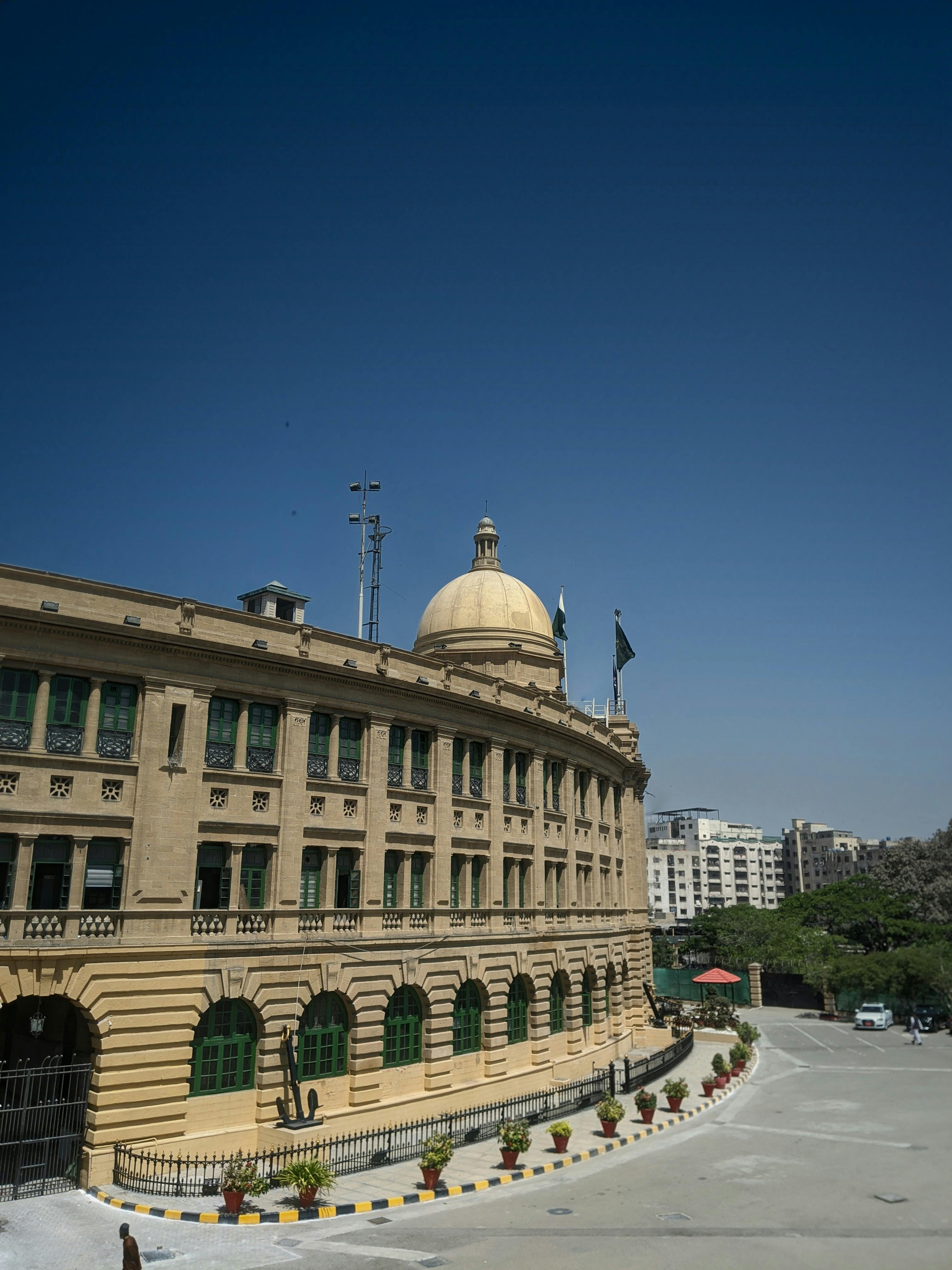
Karachi
Pakistan's largest city and economic powerhouse, Karachi is a vibrant metropolis on the Arabian Sea coast. A city of incredible diversity, it blends colonial-era architecture with modern skyscrapers, bustling bazaars with serene beach promenades. From the historic Quaid-e-Azam Mausoleum and Karachi Port Trust building to the lively Clifton Beach and Saddar Town, Karachi pulses with an energy unlike anywhere else in the country.
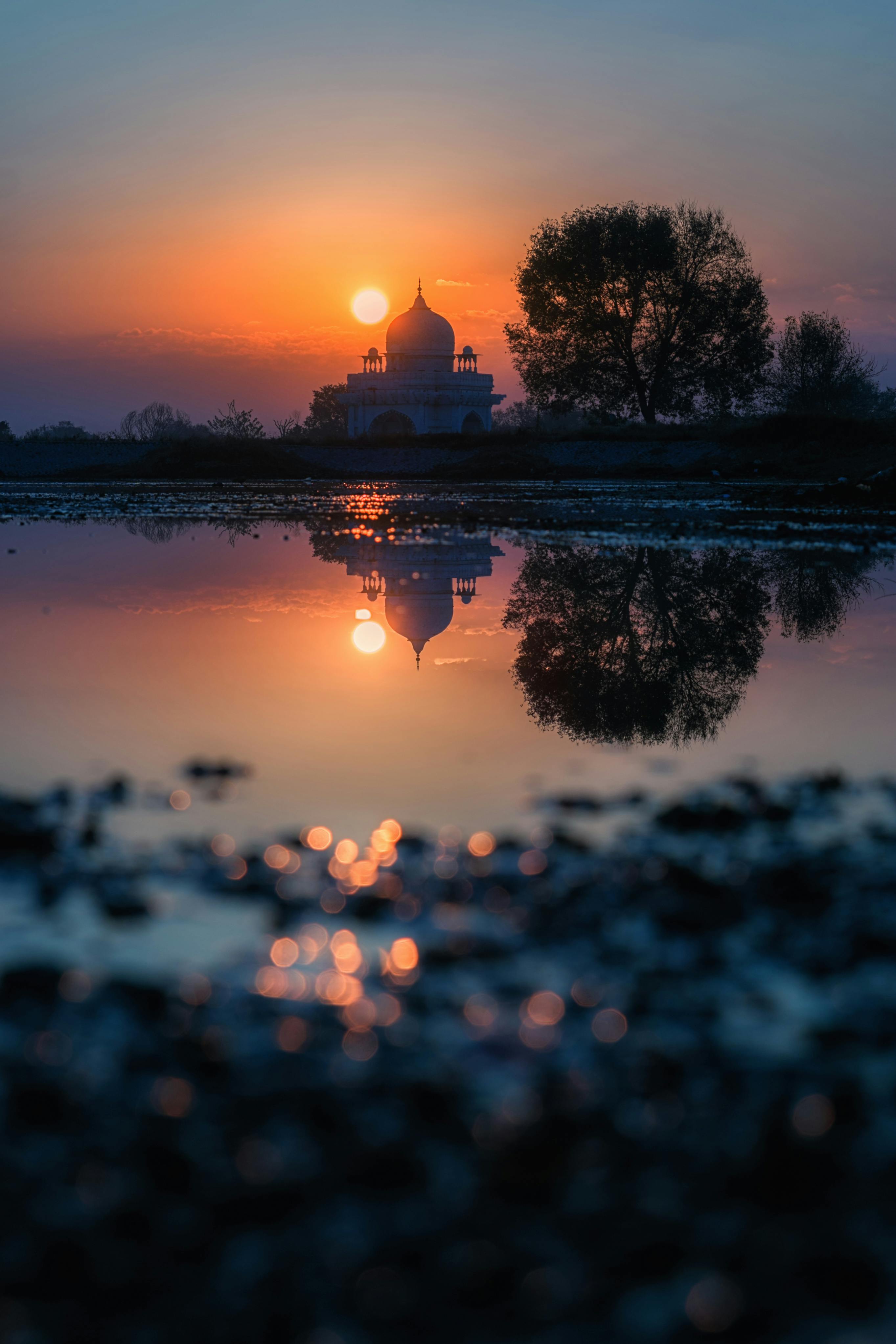
Islamabad
The modern capital of Pakistan, Islamabad is a beautifully planned city nestled against the lush green Margalla Hills. Known for its clean streets, botanical gardens, and stunning Faisal Mosque — one of the largest mosques in the world — the city offers a unique blend of contemporary urban living and natural beauty. With hiking trails, cultural museums, and a vibrant food scene, Islamabad is a refreshing contrast to the country's historic cities.
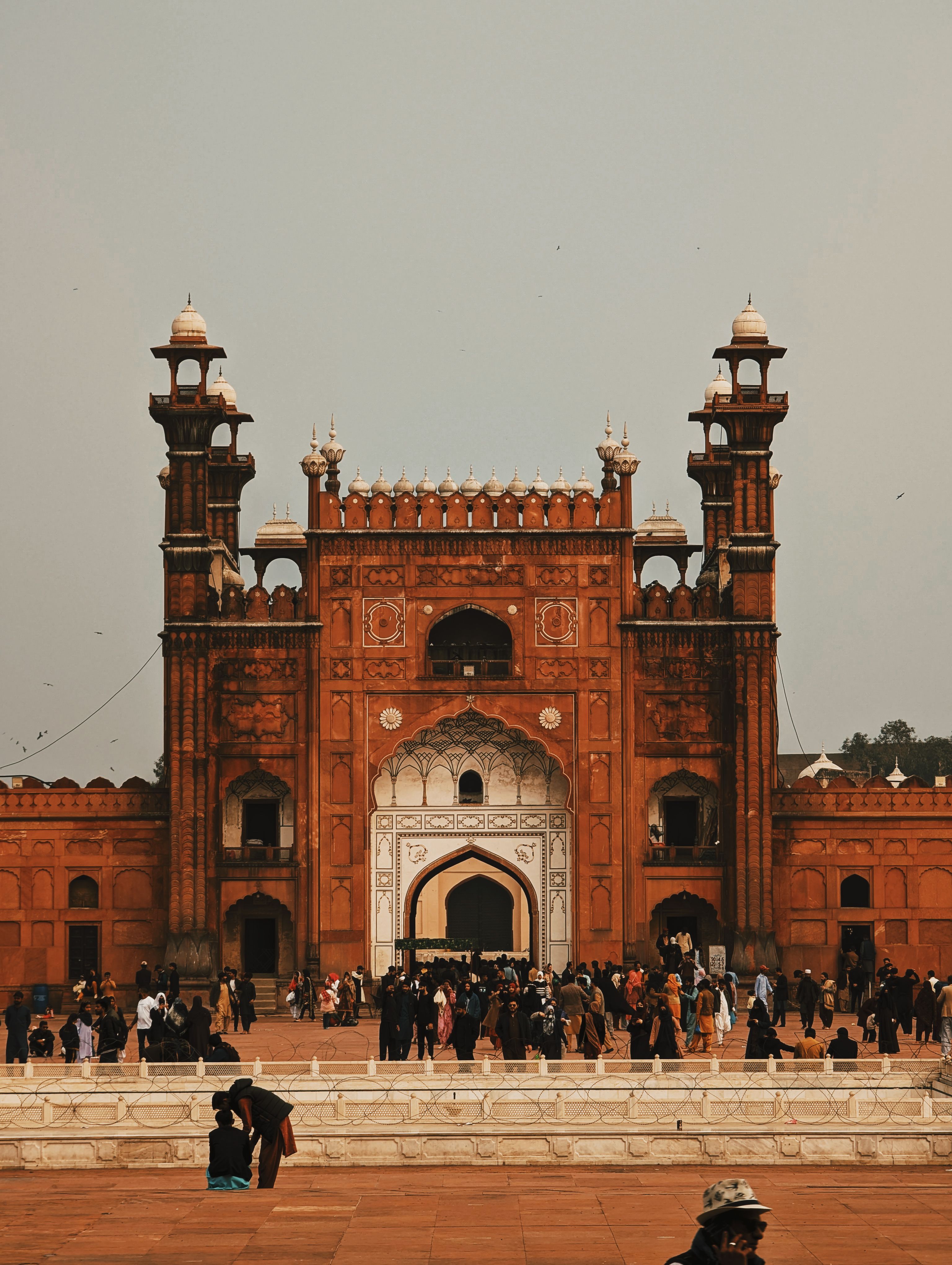
Lahore
The cultural heart of Pakistan, Lahore is a city of magnificent Mughal architecture, vibrant food streets, and centuries of rich history. Known as the 'City of Gardens' and the 'Paris of the East,' Lahore boasts some of the finest examples of Mughal-era landmarks including the iconic Badshahi Mosque, Lahore Fort, and Shalimar Gardens. Its lively atmosphere, legendary hospitality, and UNESCO World Heritage Sites make it an unmissable destination.
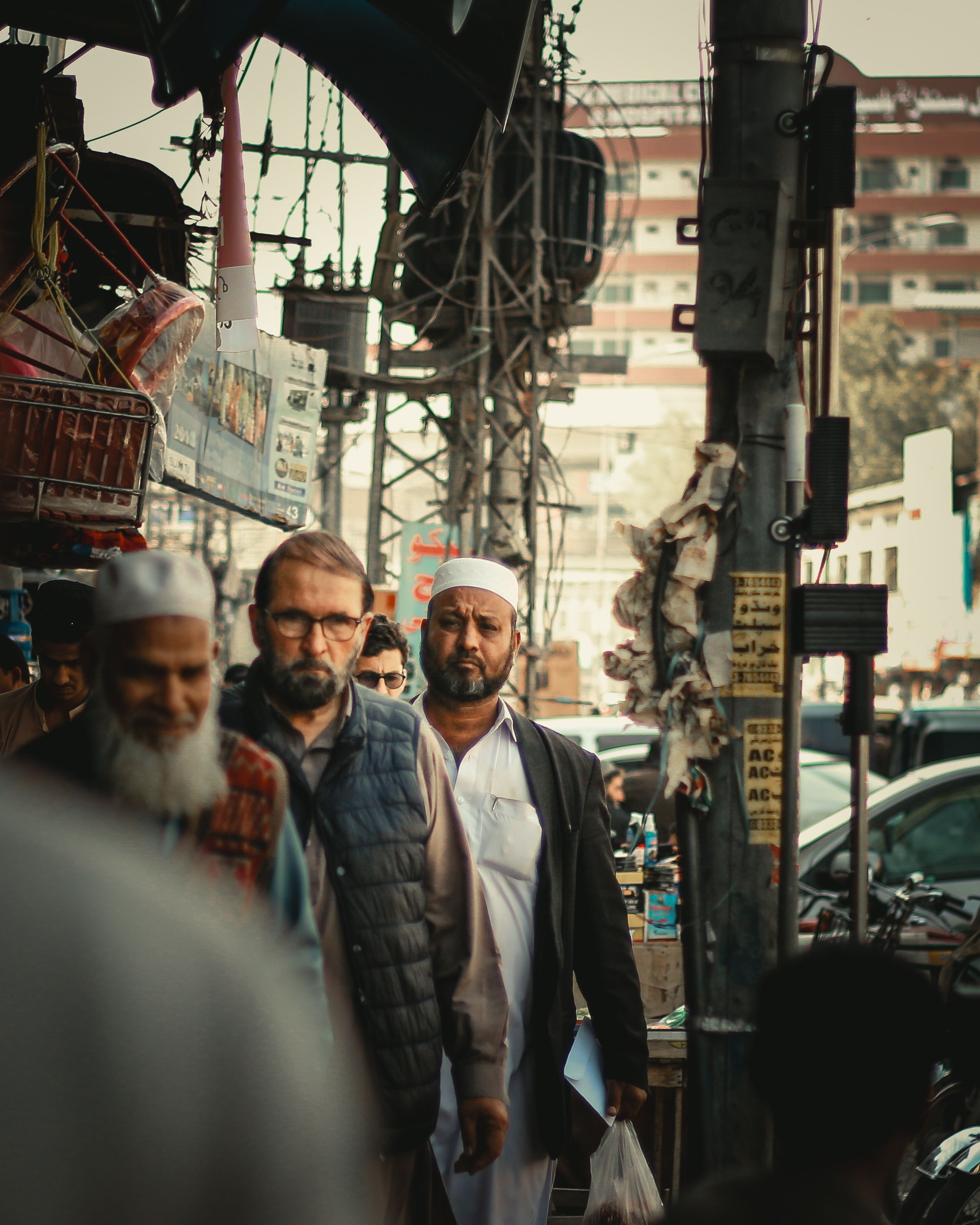
Peshawar
One of the oldest continuously inhabited cities in South Asia, Peshawar is the capital of Khyber Pakhtunkhwa and a gateway to the legendary Khyber Pass. With a history spanning over 2,000 years, this ancient city has been a crossroads of civilizations, blending Afghan, Persian, and Mughal influences. Its bustling bazaars, historic gates, and warm Pashtun hospitality make it a treasure trove for history enthusiasts and cultural explorers.
Mountains, Valleys & Adventure Destinations
The best places to visit in Northern Pakistan — Hunza, Skardu, Fairy Meadows, Deosai, Naltar and the Karakoram Highway.
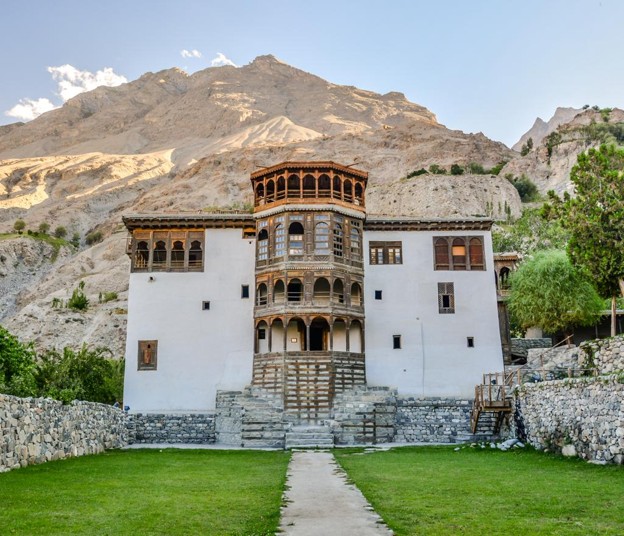
Khaplu Valley
The gateway to the mighty Siachen Glacier and home to the magnificent Khaplu Fort. This picturesque valley in Ghanche district offers stunning landscapes, apricot orchards, and rich Balti culture with spectacular views of the Karakoram range.
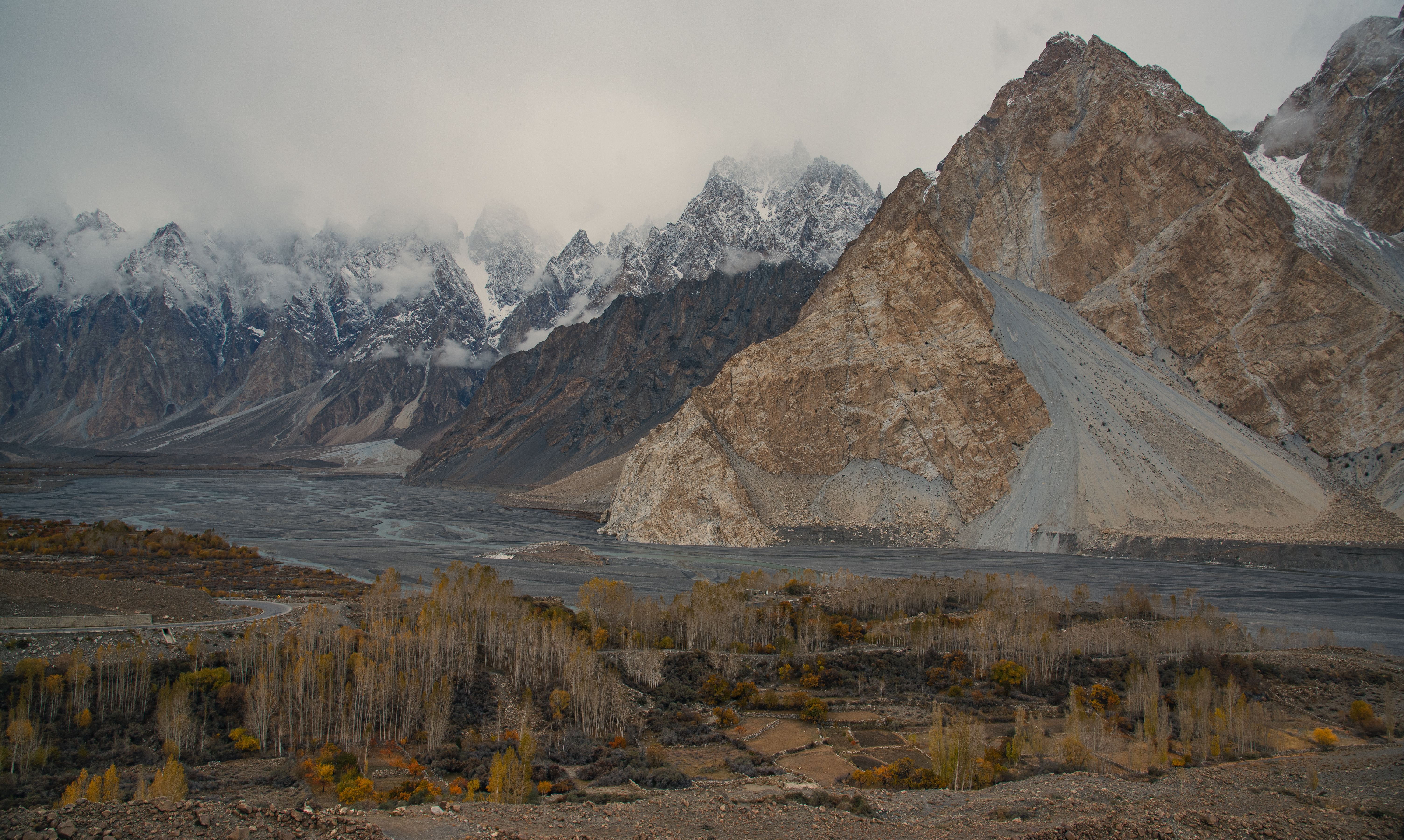
Nagar Valley
Lying in the shadow of the mighty Rakaposhi mountain, Nagar Valley is a serene and less-visited destination in Gilgit-Baltistan. Home to the famous Hopar Glacier, alpine lakes, and traditional villages, Nagar offers breathtaking landscapes and warm hospitality away from the crowds.
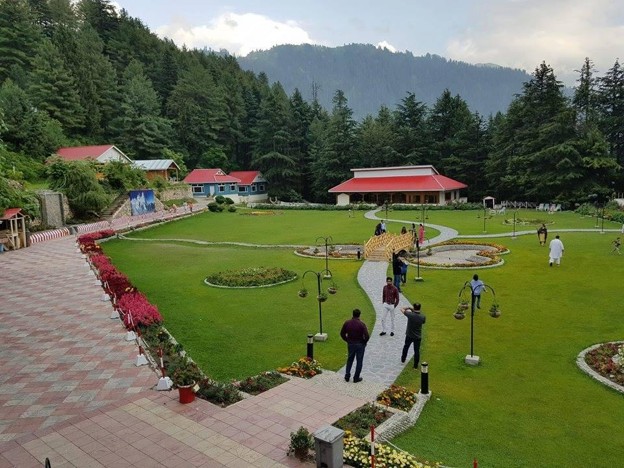
Shogran
A beautiful hill station in the Kaghan Valley, Shogran offers panoramic views of the surrounding mountains and valleys. Located at an altitude of 2,362 meters, this serene meadow is covered in pine forests and offers stunning sunrise views over Makra Peak.
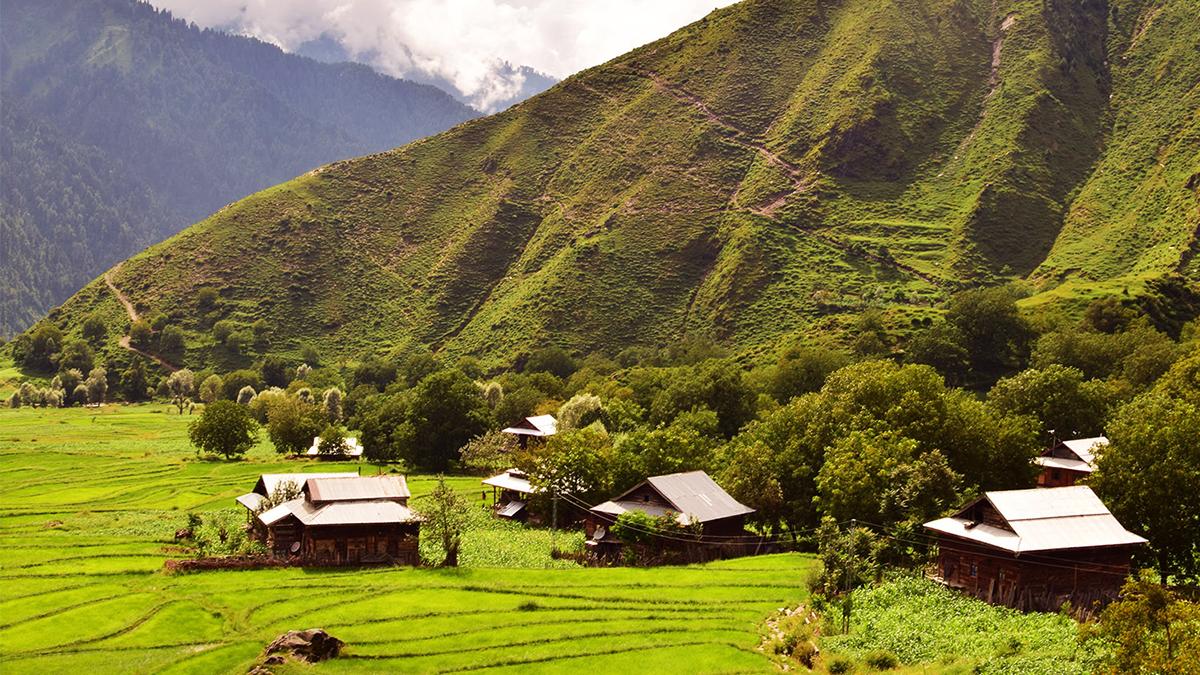
Leepa Valley
One of the most beautiful valleys in Azad Kashmir, Leepa Valley is known for its terraced fields, fruit-laden orchards, and traditional Kashmiri wooden houses. Surrounded by lush green mountains, it offers a peaceful retreat with breathtaking panoramic views.
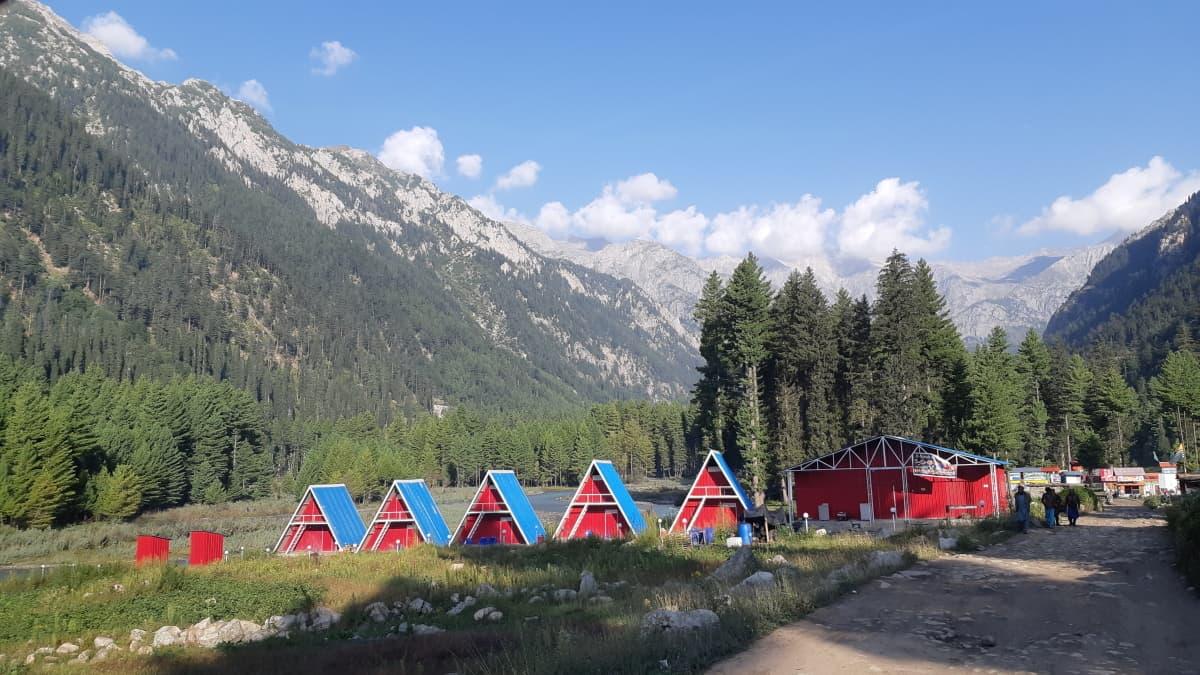
Kumrat Valley
A hidden paradise in Upper Dir, Khyber Pakhtunkhwa, Kumrat Valley is famous for its dense pine forests, gushing rivers, and the majestic Jahaz Banda meadow. The valley offers excellent camping, trout fishing, and hiking through some of the most pristine wilderness in Pakistan.
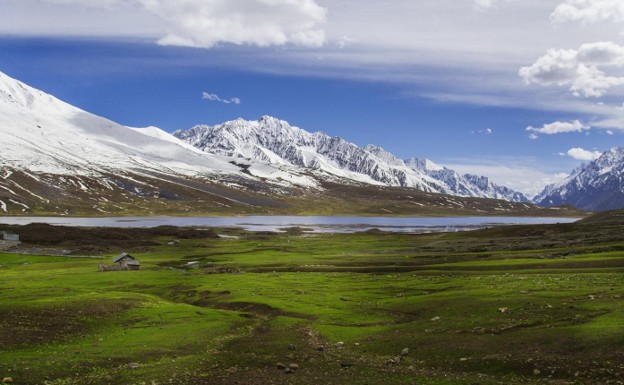
Shandur Pass
Home to the highest polo ground in the world at 3,700 meters, Shandur Pass connects Gilgit-Baltistan to Chitral. Every July, the Shandur Polo Festival brings together teams from both regions for an exhilarating tournament set against a backdrop of stunning alpine scenery.

Phander Valley
A pristine green valley in Ghizer district, Gilgit-Baltistan, famous for its emerald meadows, crystal-clear rivers, and the beautiful Phander Lake. Surrounded by pine forests and snow-capped peaks, this off-the-beaten-path destination offers unparalleled tranquility and natural beauty.
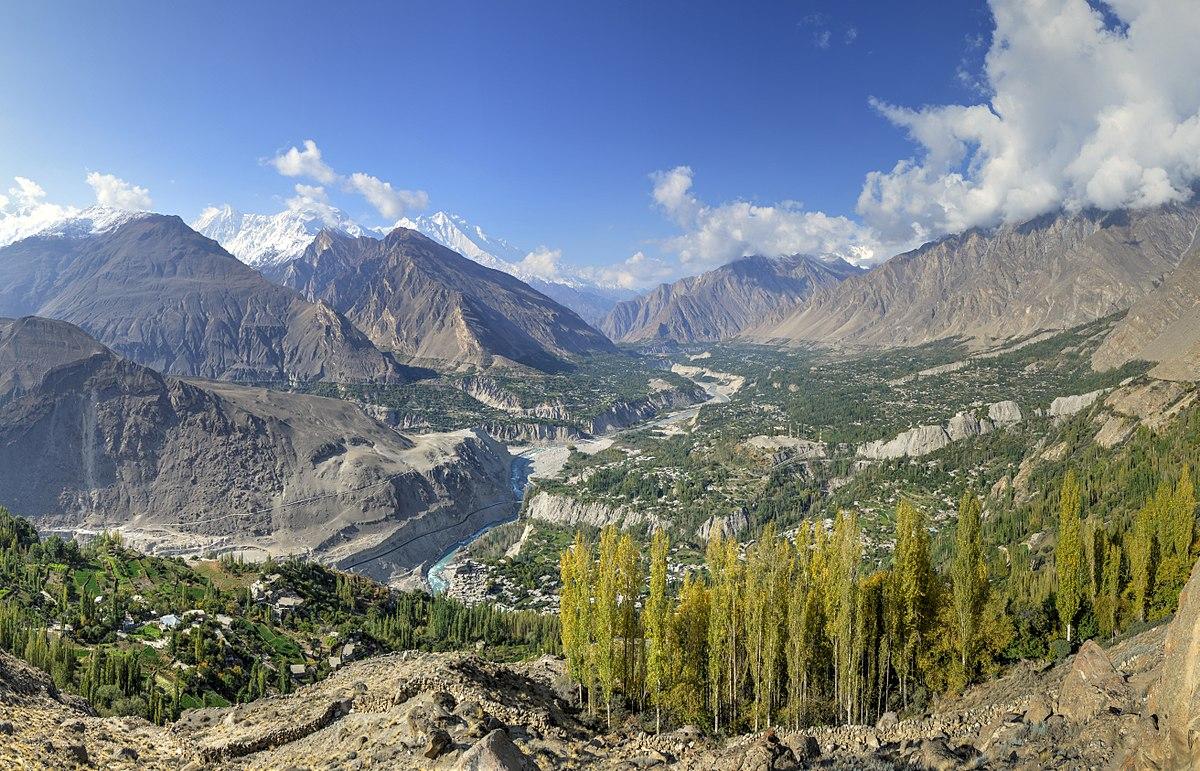
Hunza Valley
Hunza Valley is one of the most spectacular mountain destinations in Pakistan, located in Gilgit-Baltistan along the legendary Karakoram Highway. Surrounded by some of the world's most dramatic mountain landscapes, Hunza combines high peaks, ancient forts, historic villages, turquoise lakes, glaciers, traditional culture and unforgettable road journeys. For international travelers, Hunza offers an exceptional introduction to the Karakoram. A journey through the valley can include the historic town of Karimabad, Baltit Fort, Altit Fort, Ganish, Duikar, Attabad Lake, Gulmit, Passu, the Passu Cones, Sost and the spectacular route toward Khunjerab Pass on the Pakistan-China border. Eco Adventurers Tours organizes guided Hunza Valley tours, trekking adventures, cultural journeys and customized trips for travelers who want to experience northern Pakistan with local knowledge and practical support. About Hunza Valley Hunza is a mountainous valley in Gilgit-Baltistan in northern Pakistan. The valley lies within the Karakoram mountain system and stretches from the lower Hunza area around Aliabad and Karimabad toward Upper Hunza, also known as Gojal. The landscape changes dramatically as you travel north. Lower Hunza is known for historic settlements, orchards, terraces and spectacular mountain viewpoints, while Upper Hunza features dramatic peaks, narrow valleys, glaciers, lakes and traditional villages. Hunza has long been an important cultural and geographical crossroads connecting the high mountain regions of Pakistan with Central Asia and China. Today, it is one of the country's best-known destinations for mountain tourism, cultural travel, trekking, photography and adventure. Where Is Hunza Valley? Hunza Valley is located in Gilgit-Baltistan, northern Pakistan, along the Karakoram Highway. The main tourist centre is Karimabad, while Aliabad serves as an important commercial and transport centre. Further north, travelers can explore Gulmit, Passu, Sost and other communities in Upper Hunza before reaching the Khunjerab Pass. Hunza can be reached by road from Islamabad through the Karakoram Highway or by flying to Gilgit and continuing to Hunza by road. Best Places to Visit in Hunza Valley Karimabad Karimabad is the main tourist centre of Hunza and an excellent base for exploring the surrounding valley. The town is known for its traditional streets, local handicrafts, restaurants, viewpoints and access to some of Hunza's most important historic attractions. From Karimabad, visitors can explore Baltit Fort, Altit Fort, Ganish and the spectacular mountain viewpoints around the valley. Baltit Fort Baltit Fort is one of the most important historic landmarks in Hunza. The centuries-old fort stands above Karimabad and provides impressive views across the valley and surrounding Karakoram mountains. The fort is an essential stop for travelers interested in Hunza's history, architecture and traditional mountain culture. Altit Fort Altit Fort is another major heritage site in Hunza and is located near the historic village of Altit. The fort overlooks the Hunza River and surrounding valley and offers visitors an opportunity to experience the architectural and cultural heritage of the region. Ganish Village Ganish is one of the historic settlements of Hunza and is located near Karimabad. Its traditional houses, mosques and village architecture provide an insight into the history of the Hunza Valley. Eagle's Nest, Duikar Duikar is famous for its panoramic views over Hunza Valley and the surrounding mountains. Eagle's Nest viewpoint is particularly popular around sunrise and sunset, when the surrounding peaks are illuminated by changing mountain light. It is one of the best places in Hunza for landscape photography. Attabad Lake Attabad Lake is one of the most recognizable landscapes of Hunza. Its brilliant blue waters are surrounded by steep mountain slopes and towering peaks. Visitors can enjoy the scenery around the lake and, during suitable conditions, take part in activities such as boating. Gulmit Gulmit is a historic settlement in Upper Hunza and an important stop on the Karakoram Highway. The village provides access to several attractions in the Gojal region and is surrounded by spectacular mountain scenery. Passu Cones The Passu Cones are among the most iconic mountain landscapes in northern Pakistan. The sharp, jagged peaks rise dramatically above Passu and provide one of the most recognizable views along the Karakoram Highway. Passu is an important stop for photographers, trekkers and travelers exploring Upper Hunza. Hussaini Suspension Bridge The Hussaini Suspension Bridge is located near Gulmit in Upper Hunza. The bridge crosses the Hunza River and has become a well-known attraction for visitors traveling through the region. Sost Sost is the main town and trading centre before the Khunjerab Pass. It is also an important stopping point for travelers continuing north toward the Pakistan-China border. Khunjerab Pass Khunjerab Pass is one of the highest international border crossings in the world and connects Pakistan with China through the Karakoram. The journey toward Khunjerab passes through some of the most dramatic landscapes in Upper Hunza and is a major highlight of many Hunza Valley tours. Things to Do in Hunza Valley Hunza is suitable for far more than sightseeing. Travelers can combine cultural experiences with hiking, photography and mountain adventures. Popular activities include: • Explore Baltit and Altit Forts • Walk through historic villages • Visit Attabad Lake • Photograph the Passu Cones • Watch sunrise from Eagle's Nest • Explore Upper Hunza and Gojal • Travel toward Khunjerab Pass • Hike in the surrounding mountains • Visit traditional villages • Experience local food and culture • Trek toward high-altitude lakes and valleys • Enjoy photography along the Karakoram Highway • Combine Hunza with Gilgit, Skardu, Deosai or other northern destinations For adventure travelers, Hunza also provides access to trekking and mountaineering areas around the Karakoram. Hunza for Trekking and Adventure Hunza is an excellent base for travelers looking beyond conventional sightseeing. Explore Hunza, Shimshal and the Rush Lake Trek The surrounding mountains offer trekking routes ranging from relatively accessible valley walks to demanding high-altitude expeditions. Adventure travelers can explore areas around Shimshal, Rush Lake, Rakaposhi and other mountain regions connected with Hunza and Nagar. Eco Adventurers Tours offers a range of Hunza-based experiences, from easy cultural tours to trekking and high-altitude mountain adventures. Explore Patundas Trek Best Time to Visit Hunza Valley The best time to visit Hunza depends on the type of experience you want. Spring – March to May Spring is famous for blossoming fruit trees and changing mountain landscapes. Apricot, cherry and other fruit blossoms can transform villages and orchards across Hunza. Spring is particularly attractive for photography and cultural travel. Summer – June to August Summer is the main trekking and mountain-tourism season. Roads to higher destinations are generally more accessible, subject to weather and local conditions. This is a popular period for exploring Upper Hunza, trekking and traveling toward Khunjerab. Autumn – September to October Autumn brings golden and yellow foliage to the valley and creates exceptional scenery around Hunza's villages and orchards. For photographers, autumn can be one of the most visually spectacular periods of the year. Winter – November to February Winter transforms Hunza into a quieter snow-covered mountain destination. Temperatures can be very cold, and access to some higher areas can become difficult because of snow and weather. Travelers visiting in winter should plan carefully and check current road and weather conditions. How to Reach Hunza from Islamabad There are two main ways to reach Hunza from Islamabad. By Road The classic overland route follows the Karakoram Highway. A typical journey is: Islamabad → Abbottabad → Besham → Chilas → Gilgit → Hunza Another seasonal option is: Islamabad → Naran → Babusar Pass → Chilas → Gilgit → Hunza The Babusar route is seasonal and depends on road and weather conditions. When Babusar Pass is closed, travelers normally use the Karakoram Highway route. By Air Travelers can fly from Islamabad to Gilgit when flights are operating and weather permits. From Gilgit, Hunza is reached by road. Flight schedules and operations can be affected by weather, so travelers should keep flexibility in their itinerary. How Many Days Do You Need in Hunza? A short Hunza visit can cover the major highlights, but spending more time allows travelers to explore Upper Hunza and experience the region at a slower pace. 3–4 Days Suitable for travelers who want to see the principal attractions around Karimabad, including the historic forts, Attabad Lake and nearby viewpoints. 5–7 Days A good option for travelers who want a more comprehensive Hunza experience including Karimabad, Upper Hunza, Passu, Gulmit, Attabad Lake and Khunjerab Pass. 8 Days or More Recommended for travelers combining Hunza sightseeing with trekking, hiking, cultural experiences or other destinations in Gilgit-Baltistan. Hunza Valley Tours Eco Adventurers Tours offers guided Hunza Valley tours for international travelers, including cultural journeys, adventure tours, trekking experiences and customized itineraries. Our Hunza-related trips can be combined with destinations such as Gilgit, Nagar, Fairy Meadows, Skardu, Deosai and other regions of northern Pakistan. Hunza Adventure Tour Our Hunza Adventure Tour is designed as an introduction to the valley, covering major attractions including historic forts, Attabad Lake, Passu and Eagle's Nest. Shangri-La Hunza Tour A longer Hunza-focused journey designed for travelers who want more time to explore the valley, its culture, heritage and mountain scenery. Hunza, Shimshal and Rush Lake Trek For adventure travelers, this journey combines Hunza sightseeing with trekking in the spectacular mountain environment around Shimshal and Rush Lake. Rakaposhi Base Camp Trek Travelers looking for a trekking experience can explore the Rakaposhi region and combine the trek with cultural highlights of Hunza and Nagar. Why Travel to Hunza with Eco Adventurers Tours? Eco Adventurers Tours has been operating Pakistan tours for many years and specializes in adventure, mountain and eco-tourism experiences. Our local knowledge allows us to design itineraries around the interests, travel dates and experience levels of international visitors. We provide guided journeys ranging from comfortable sightseeing tours to challenging trekking and mountain expeditions. Our approach focuses on: • Local knowledge • Experienced guides • Responsible tourism • Flexible itineraries • Cultural experiences • Mountain adventures • Private and customized tours • Travel planning for international visitors Hunza Valley Travel Tips Before traveling to Hunza, consider the following: • Allow additional time for mountain-road journeys. • Keep your itinerary flexible because weather can affect roads and flights. • Check the status of Babusar Pass before choosing the Naran route. • Carry warm clothing even during summer because temperatures can change quickly at altitude. • Respect local customs and traditions. • Carry suitable footwear if you plan to hike. • Keep drinking water available during long road journeys. • Avoid rushing through the valley; some of Hunza's best experiences are found in its villages and mountain viewpoints. • For trekking or high-altitude travel, use experienced local guides and appropriate equipment. Frequently Asked Questions About Hunza Valley Is Hunza Valley worth visiting? Hunza offers a combination of dramatic mountain scenery, historic forts, traditional villages, lakes, trekking opportunities and cultural experiences, making it one of the major destinations for travelers exploring northern Pakistan. What is Hunza Valley famous for? Hunza is famous for its Karakoram mountain scenery, historic forts, traditional villages, Attabad Lake, Passu Cones, Khunjerab Pass, trekking routes and distinctive local culture. What are the best places to visit in Hunza? Popular places include Karimabad, Baltit Fort, Altit Fort, Ganish, Eagle's Nest, Attabad Lake, Gulmit, Passu, Passu Cones, Hussaini Bridge, Sost and Khunjerab Pass. What is the best time to visit Hunza? Spring and autumn are particularly attractive for scenery and photography, while summer is popular for trekking and mountain travel. Winter offers snow-covered landscapes but requires more careful planning. How do I travel from Islamabad to Hunza? Travelers can reach Hunza by road through the Karakoram Highway or, when flights are operating, fly from Islamabad to Gilgit and continue to Hunza by road. How many days are enough for Hunza? Five to seven days provides enough time to explore many of the major attractions, while longer itineraries are better for trekking, Upper Hunza and combining Hunza with other destinations in Gilgit-Baltistan. Can foreigners visit Hunza? Yes. Hunza is a major destination for international travelers visiting northern Pakistan. Eco Adventurers Tours provides guided and customized tours for foreign visitors. Can Hunza be combined with Skardu? Yes. Hunza can be combined with Skardu, Deosai, Astore, Fairy Meadows, Gilgit and other destinations in a longer northern Pakistan itinerary. explore 14-Day Gilgit-Baltistan Tour Explore Hunza Valley with Eco Adventurers Tours From the historic forts of Karimabad to the turquoise waters of Attabad Lake and the dramatic peaks of Passu, Hunza offers an extraordinary combination of culture, history and mountain adventure. Whether you want a short sightseeing tour, a longer cultural journey, a trekking adventure or a customized Pakistan expedition, Eco Adventurers Tours can design an itinerary around your interests and travel schedule.
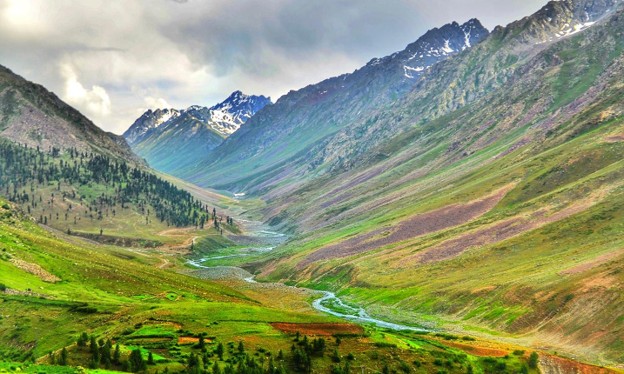
Rama Valley
A beautiful valley near Astore with stunning meadows, lakes, and views of Nanga Parbat. Rama Lake is a crystal-clear alpine lake surrounded by lush green pastures and offers excellent trout fishing and camping opportunities.
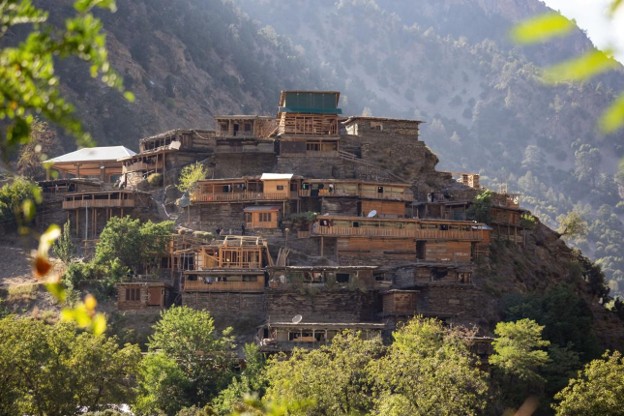
Chitral Valley
Chitral is one of Pakistan’s most distinctive mountain destinations, where dramatic Hindu Kush landscapes meet centuries-old cultures, historic traditions and remote valleys. Located in the northwestern corner of Khyber Pakhtunkhwa, Chitral offers an extraordinary combination of snow-covered peaks, lush valleys, rushing rivers, traditional villages and diverse cultural heritage. The region is particularly famous for the Kalash valleys, the towering Tirich Mir, historic Chitral town, Shandur Pass, Garam Chashma and a wide range of trekking and adventure opportunities. The valley is dominated by the Hindu Kush mountain range, with Tirich Mir rising to approximately 7,708 metres as the highest peak of the Hindu Kush. Its enormous glaciers, high-altitude valleys and surrounding peaks make Chitral an exceptional destination for trekkers, mountaineers, photographers and adventure travellers. The remote Tirich Valley provides access toward some of the region’s most spectacular mountain and glacier landscapes. Explore our TOUR DE NORTH – The Ultimate Pakistan Mountain Circuit The Kalash Valleys One of Chitral’s greatest cultural attractions is the Kalasha cultural landscape, comprising the three valleys of Bumburet, Rumbur and Birir. These valleys are home to the Kalasha people, an indigenous community with a distinctive language, belief system, traditional clothing, architecture, festivals and social customs. Unlike a conventional tourist attraction, the Kalash valleys are living communities where traditions continue to form part of everyday life. Ecplore our Kalash Chilam Joshi Festival Bumburet is the largest and most accessible of the three valleys and has the greatest concentration of accommodation and visitor facilities. Rumbur is smaller and quieter, offering a more secluded mountain setting, while Birir is the least visited and provides an especially peaceful experience for travellers interested in village life and cultural exploration. The Kalasha calendar includes important seasonal celebrations and festivals, including Chilam Joshi, Uchal and Chawmos, which feature traditional music, dancing, community gatherings and rituals. These are important cultural and religious occasions rather than performances created for tourists, so visitors should always respect local customs and obtain permission before photographing people or entering private or culturally restricted areas. Pakistan’s tourism authorities specifically advise visitors to ask permission before taking photographs and to respect private spaces, homes, Bashali and sacred places. Explore Our Kalash Chaumas Festival Tour Tirich Mir and the Hindu Kush For mountain enthusiasts, Tirich Mir is one of Chitral’s defining landmarks. Rising to around 7,708 metres, it is the highest mountain in the Hindu Kush and dominates the skyline from parts of Chitral. The surrounding Tirich Valley is an important gateway for trekking and mountaineering, with high-altitude villages, glaciers, alpine landscapes and spectacular mountain views. Explore our Tirich Mir Base Camp Trek The region also contains several other major Hindu Kush peaks, making Upper Chitral an attractive destination for serious trekkers, climbers and expedition groups seeking less-crowded mountain environments. Chitral Town & Historical Heritage Chitral town provides an ideal starting point for exploring the wider region. The town combines mountain scenery with the cultural heritage of the former princely state of Chitral. Visitors can explore Chitral Fort, Shahi Mosque, traditional markets and local neighbourhoods, while experiencing the distinctive Khow culture of the region. Chitral’s architectural heritage includes traditional houses featuring local woodwork and distinctive designs. The wider district also contains historic forts and cultural sites associated with the former Mehtar rulers and the different communities that have inhabited these mountain valleys. Shandur Pass – The Roof of the World Chitral is also a gateway to Shandur Pass, one of Pakistan’s most spectacular high mountain passes. Situated at approximately 3,700 metres, Shandur is famous for its high-altitude polo ground and the annual Shandur Polo Festival, which attracts visitors from across Pakistan and abroad. The journey toward Shandur passes through dramatic mountain scenery, remote settlements and high-altitude landscapes. During the appropriate summer season, the route provides an opportunity to combine Chitral’s cultural attractions with one of the region’s most memorable mountain journeys. Garam Chashma Another popular attraction is Garam Chashma, a remote valley known for its natural hot springs and beautiful mountain surroundings. The journey to Garam Chashma passes through increasingly dramatic landscapes and provides an opportunity to experience another side of Chitral away from the main tourist routes. Chitral Gol National Park & Wildlife Chitral also offers opportunities for nature and wildlife enthusiasts. Chitral Gol National Park is known for its rugged mountain environment and wildlife, including the Himalayan markhor. The surrounding valleys provide habitats for a variety of mountain animals and birds, making the region attractive for wildlife photography, nature walks and ecological tourism. Upper Chitral & Remote Valleys Travellers who have additional time can explore the less-visited areas of Upper Chitral, including Booni, Mastuj, Laspur, Yarkhun and surrounding valleys. These areas offer a quieter experience characterized by traditional villages, cultivated fields, high mountains, rivers and expansive mountain landscapes. For travellers seeking an off-the-beaten-path experience, Upper Chitral provides some of the most rewarding opportunities for photography, trekking, cultural exploration and interaction with local communities. Adventure & Outdoor Activities Chitral is not only a cultural destination. Its mountains and valleys provide excellent opportunities for: • Trekking and hiking • Mountaineering and expeditions • Camping • Mountain photography • Wildlife and nature photography • Cultural tours • Village exploration • Polo experiences • Scenic drives • Glacier and high-mountain exploration • Birdwatching and ecotourism The region has extensive potential for trekking and adventure tourism, particularly around Tirich Valley and the high mountain areas of Upper Chitral. Why Visit Chitral? Chitral offers something that is difficult to find elsewhere in Pakistan: the opportunity to experience mountains, living indigenous culture, history, wildlife and adventure within one destination. From the colourful cultural landscape of the Kalash valleys to the immense presence of Tirich Mir, from historic Chitral town to the high-altitude landscapes of Shandur, the region offers an experience that goes far beyond conventional sightseeing. Whether you are interested in culture, photography, trekking, mountaineering, wildlife or simply exploring remote mountain communities, Chitral provides an authentic and unforgettable journey into the heart of the Hindu Kush.
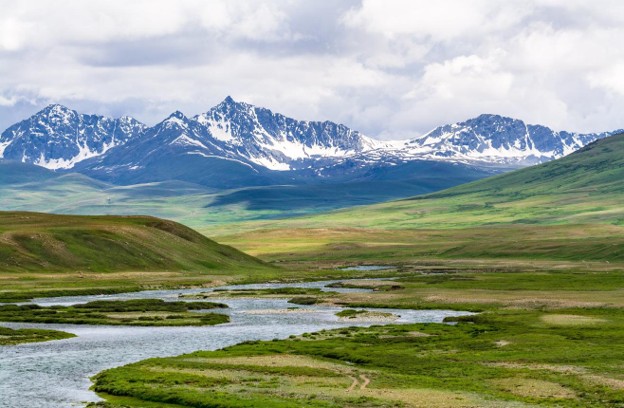
Deosai National Park
The second-highest plateau in the world at over 4,100 meters, known as the 'Land of Giants'. Deosai National Park is a vast alpine wilderness home to the Himalayan brown bear, snow leopard, and countless wildflowers that bloom in summer.
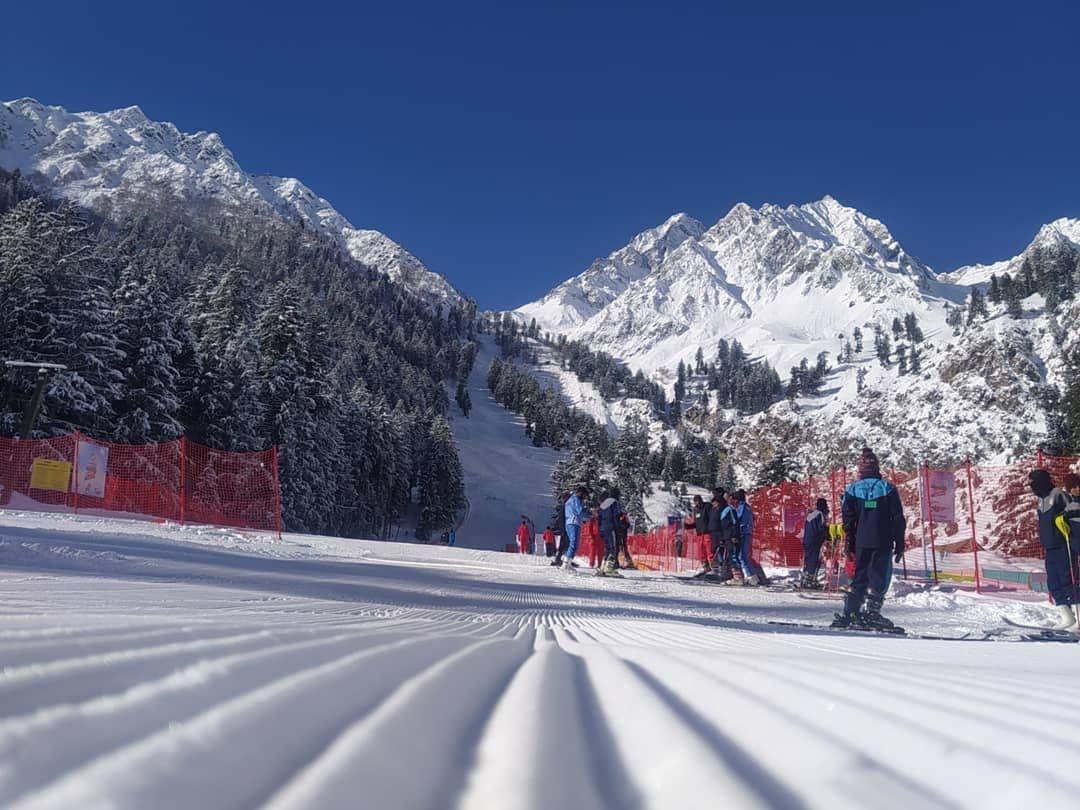
Naltar Valley
A hidden gem in Gilgit-Baltistan famous for its three colorful lakes - Blue, Green, and Purple lakes. Surrounded by pine forests and snow-capped peaks, Naltar offers pristine natural beauty, ski slopes, and enchanting hiking trails through juniper forests.
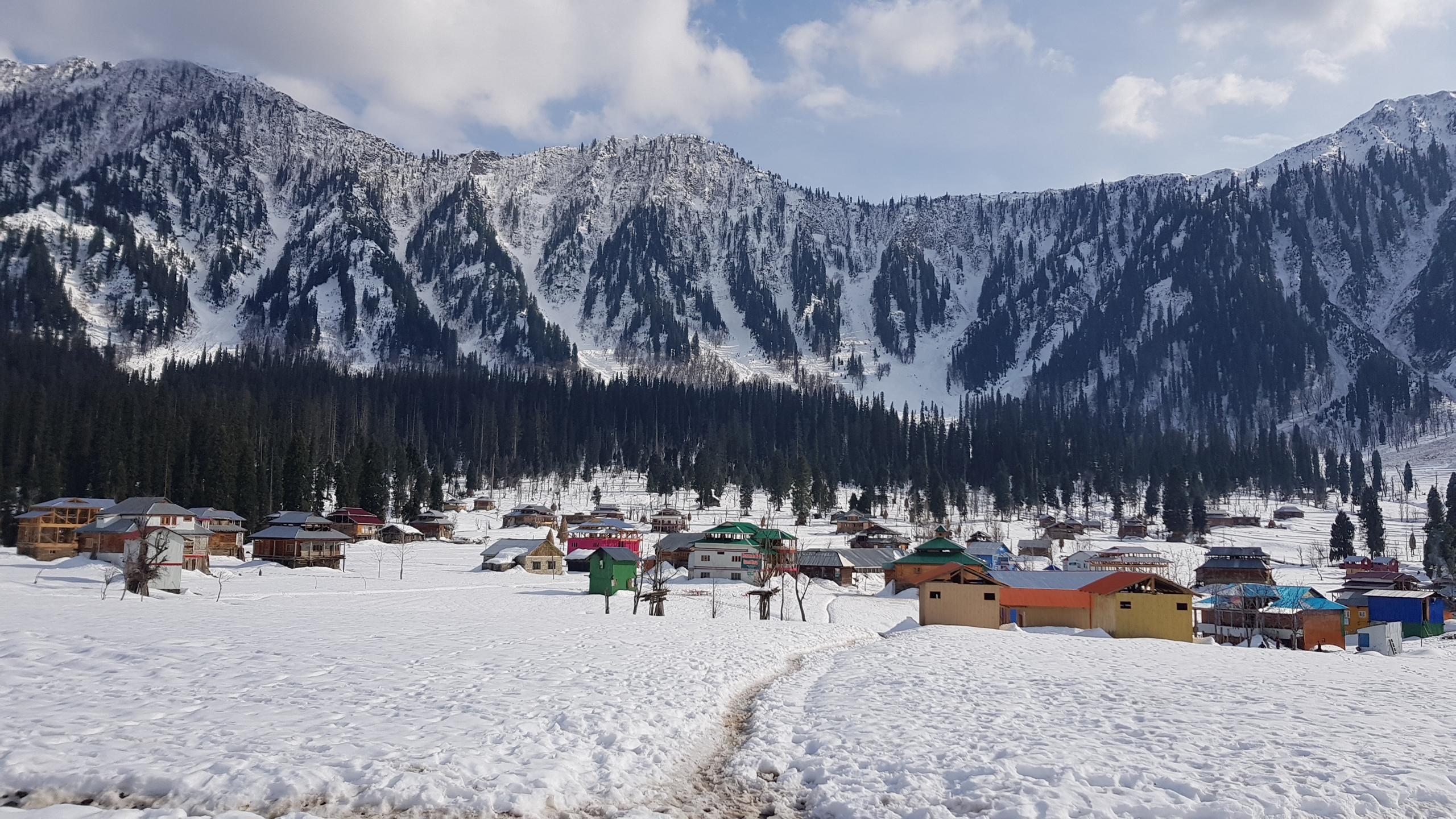
Kashmir (Neelum Valley)
The paradise on earth, Neelum Valley in Azad Kashmir offers lush green valleys, turquoise rivers, and snow-capped mountains. Known for its breathtaking beauty, the valley follows the Neelum River and is home to picturesque villages, dense forests, and some of the most stunning landscapes in the region.
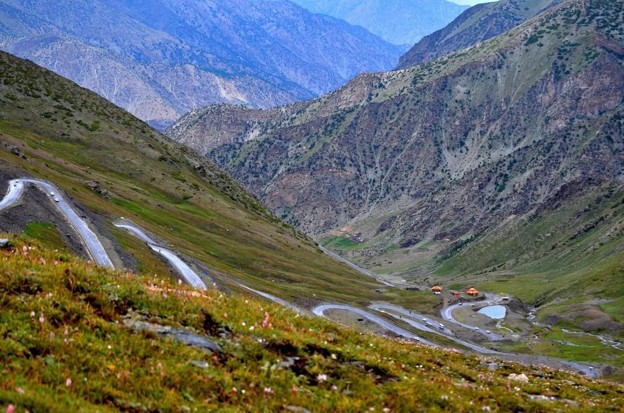
Naran Kaghan
A scenic valley in Khyber Pakhtunkhwa famous for Lake Saiful Muluk, Babusar Pass, and beautiful mountain scenery. The valley stretches along the Kunhar River and is one of Pakistan's most popular summer destinations, offering breathtaking alpine lakes, pine forests, and snow-capped peaks.
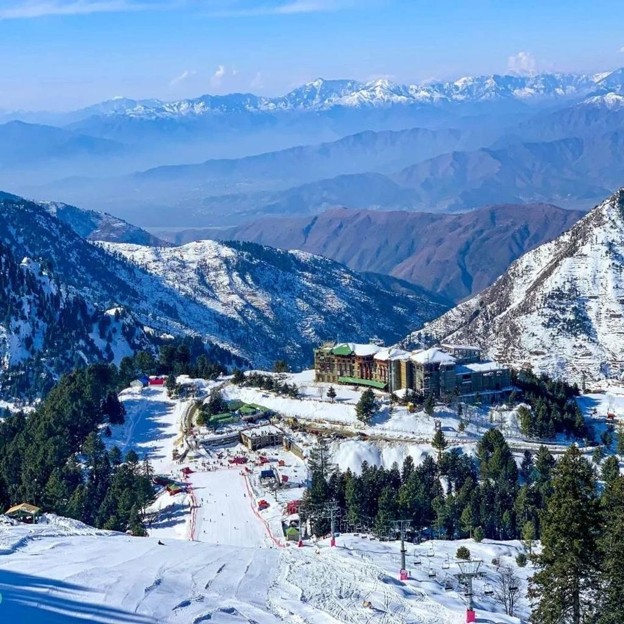
Swat Valley
Known as the Switzerland of Pakistan, Swat Valley offers lush green valleys, crystal-clear rivers, and ancient Buddhist ruins. Rich in history and natural beauty, Swat was once a major center of Buddhism and today attracts visitors with its alpine scenery, trout fishing, and the popular Malam Jabba ski resort.
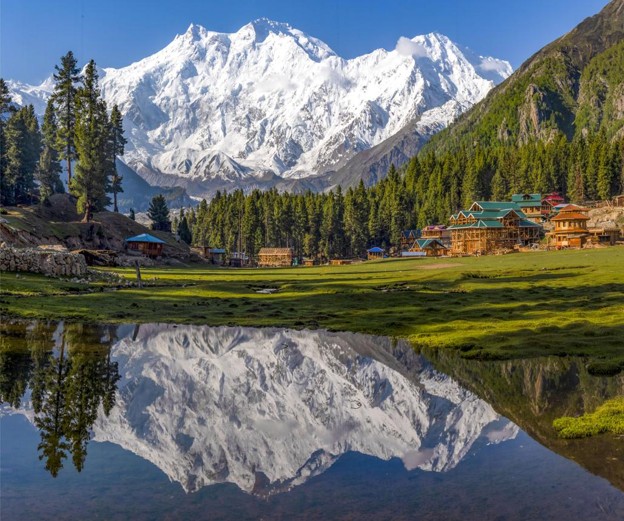
Fairy Meadows
A lush green meadow at the base of Nanga Parbat, the 9th highest mountain in the world. The trek to Fairy Meadows is one of the most iconic in Pakistan. Named by German climbers, this alpine paradise offers breathtaking views of the mighty Nanga Parbat and is a haven for trekkers and nature enthusiasts.
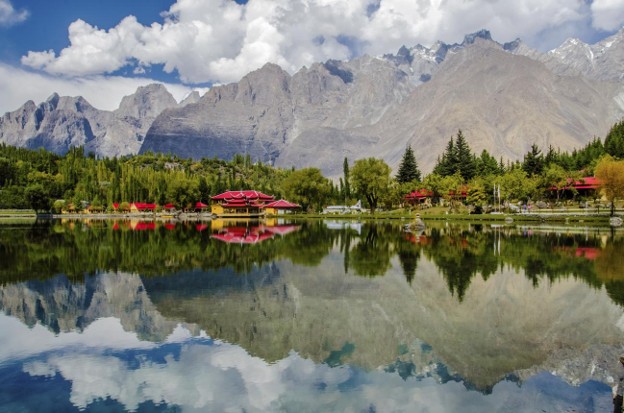
Skardu
The gateway to K2 and the highest peaks on Earth. Skardu offers surreal landscapes with cold deserts, turquoise lakes, and towering mountains. It is the base for expeditions to K2, the world's second-highest peak, and features the unique Katpana Cold Desert, the highest cold desert in the world.