
Hunza Valley
About Hunza Valley
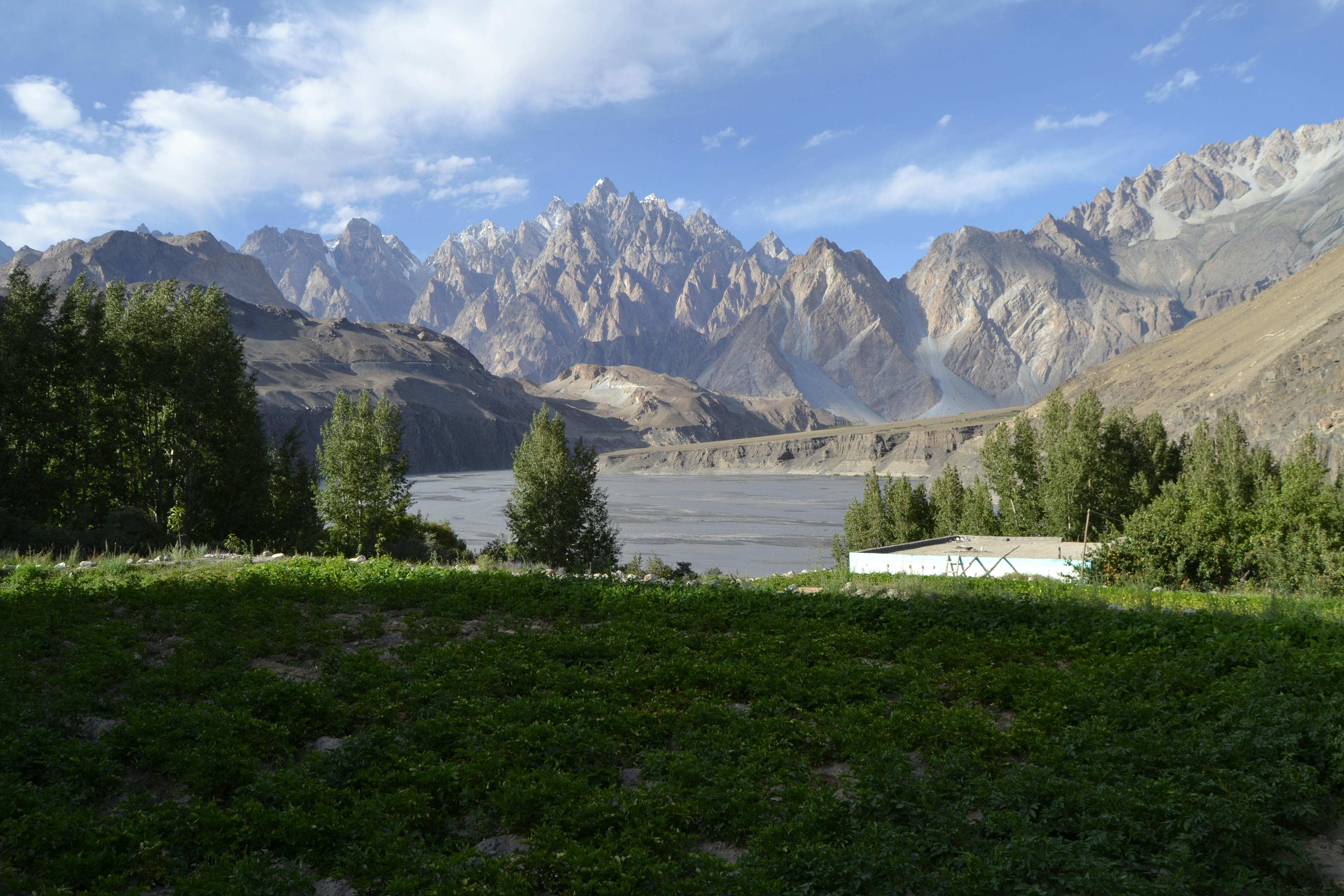
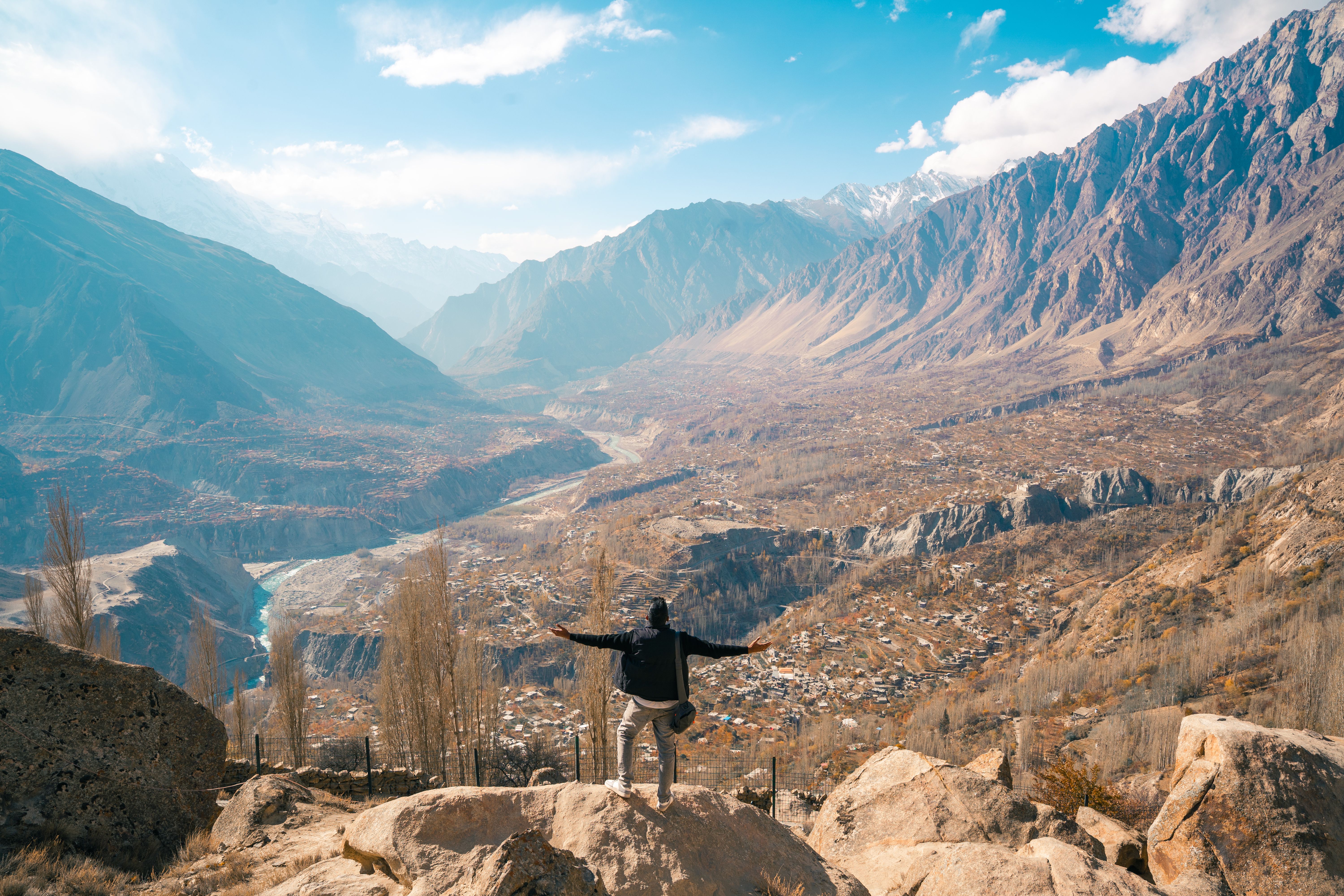
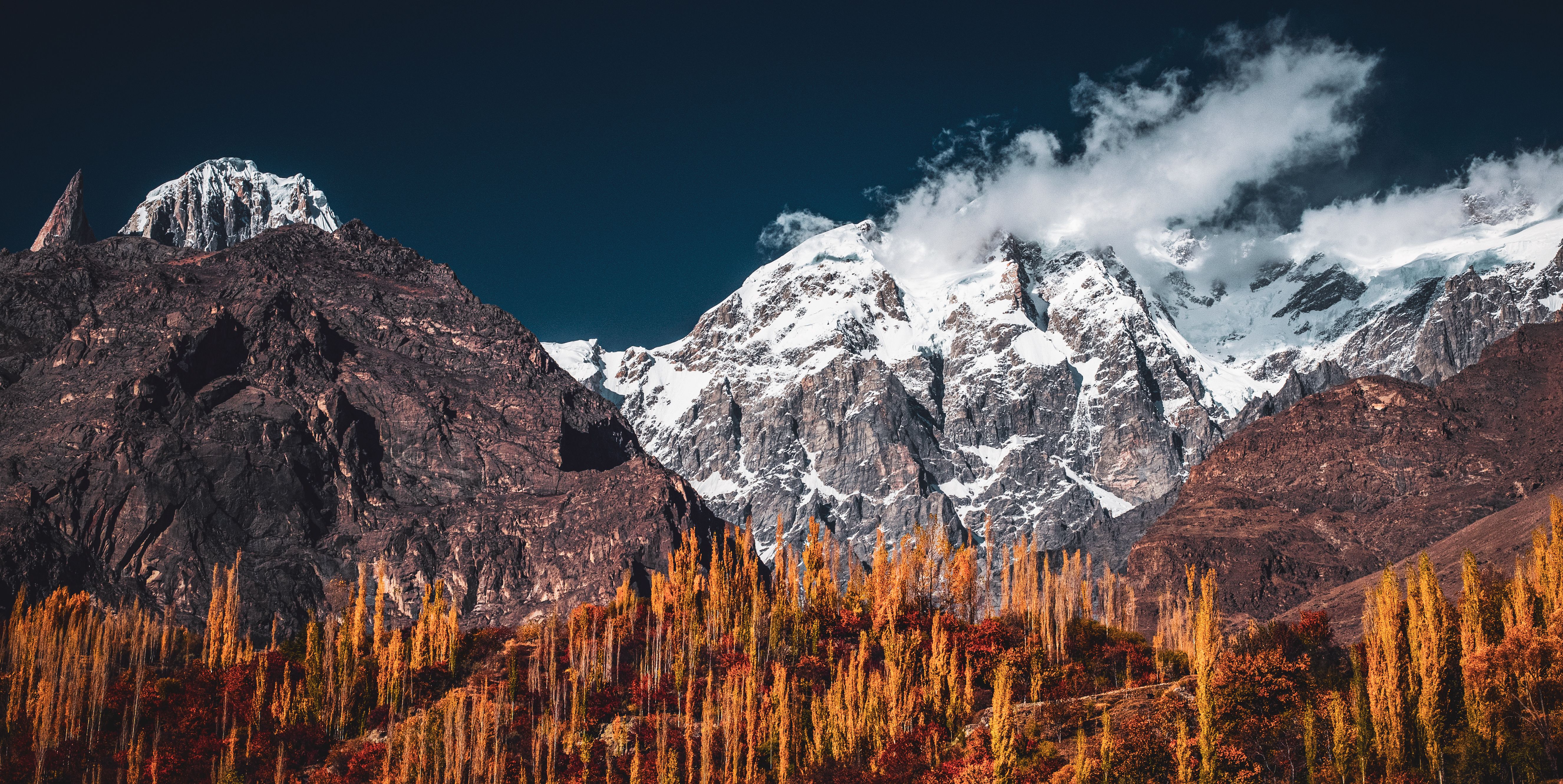
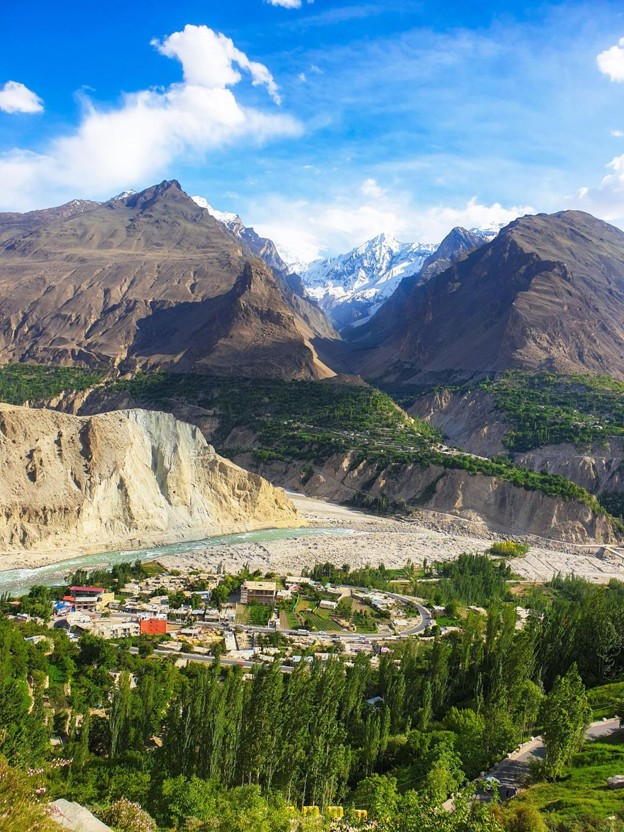
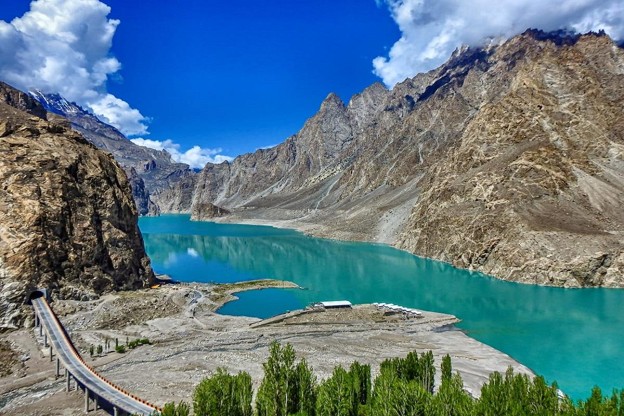
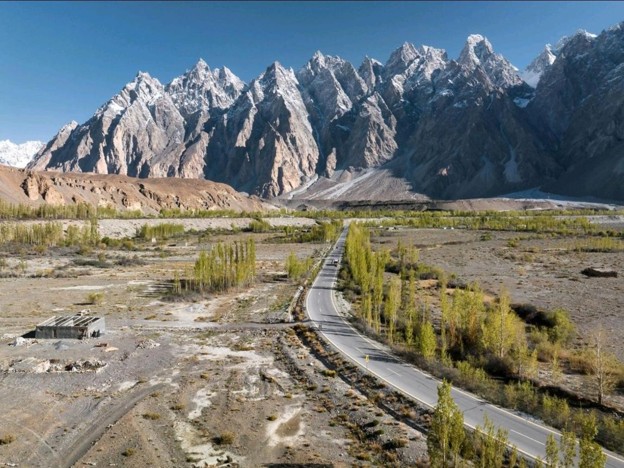
Hunza Valley is one of the most spectacular mountain destinations in Pakistan, located in Gilgit-Baltistan along the legendary Karakoram Highway. Surrounded by some of the world's most dramatic mountain landscapes, Hunza combines high peaks, ancient forts, historic villages, turquoise lakes, glaciers, traditional culture and unforgettable road journeys. For international travelers, Hunza offers an exceptional introduction to the Karakoram. A journey through the valley can include the historic town of Karimabad, Baltit Fort, Altit Fort, Ganish, Duikar, Attabad Lake, Gulmit, Passu, the Passu Cones, Sost and the spectacular route toward Khunjerab Pass on the Pakistan-China border. Eco Adventurers Tours organizes guided Hunza Valley tours, trekking adventures, cultural journeys and customized trips for travelers who want to experience northern Pakistan with local knowledge and practical support. About Hunza Valley Hunza is a mountainous valley in Gilgit-Baltistan in northern Pakistan. The valley lies within the Karakoram mountain system and stretches from the lower Hunza area around Aliabad and Karimabad toward Upper Hunza, also known as Gojal. The landscape changes dramatically as you travel north. Lower Hunza is known for historic settlements, orchards, terraces and spectacular mountain viewpoints, while Upper Hunza features dramatic peaks, narrow valleys, glaciers, lakes and traditional villages. Hunza has long been an important cultural and geographical crossroads connecting the high mountain regions of Pakistan with Central Asia and China. Today, it is one of the country's best-known destinations for mountain tourism, cultural travel, trekking, photography and adventure. Where Is Hunza Valley? Hunza Valley is located in Gilgit-Baltistan, northern Pakistan, along the Karakoram Highway. The main tourist centre is Karimabad, while Aliabad serves as an important commercial and transport centre. Further north, travelers can explore Gulmit, Passu, Sost and other communities in Upper Hunza before reaching the Khunjerab Pass. Hunza can be reached by road from Islamabad through the Karakoram Highway or by flying to Gilgit and continuing to Hunza by road. Best Places to Visit in Hunza Valley Karimabad Karimabad is the main tourist centre of Hunza and an excellent base for exploring the surrounding valley. The town is known for its traditional streets, local handicrafts, restaurants, viewpoints and access to some of Hunza's most important historic attractions. From Karimabad, visitors can explore Baltit Fort, Altit Fort, Ganish and the spectacular mountain viewpoints around the valley. Baltit Fort Baltit Fort is one of the most important historic landmarks in Hunza. The centuries-old fort stands above Karimabad and provides impressive views across the valley and surrounding Karakoram mountains. The fort is an essential stop for travelers interested in Hunza's history, architecture and traditional mountain culture. Altit Fort Altit Fort is another major heritage site in Hunza and is located near the historic village of Altit. The fort overlooks the Hunza River and surrounding valley and offers visitors an opportunity to experience the architectural and cultural heritage of the region. Ganish Village Ganish is one of the historic settlements of Hunza and is located near Karimabad. Its traditional houses, mosques and village architecture provide an insight into the history of the Hunza Valley. Eagle's Nest, Duikar Duikar is famous for its panoramic views over Hunza Valley and the surrounding mountains. Eagle's Nest viewpoint is particularly popular around sunrise and sunset, when the surrounding peaks are illuminated by changing mountain light. It is one of the best places in Hunza for landscape photography. Attabad Lake Attabad Lake is one of the most recognizable landscapes of Hunza. Its brilliant blue waters are surrounded by steep mountain slopes and towering peaks. Visitors can enjoy the scenery around the lake and, during suitable conditions, take part in activities such as boating. Gulmit Gulmit is a historic settlement in Upper Hunza and an important stop on the Karakoram Highway. The village provides access to several attractions in the Gojal region and is surrounded by spectacular mountain scenery. Passu Cones The Passu Cones are among the most iconic mountain landscapes in northern Pakistan. The sharp, jagged peaks rise dramatically above Passu and provide one of the most recognizable views along the Karakoram Highway. Passu is an important stop for photographers, trekkers and travelers exploring Upper Hunza. Hussaini Suspension Bridge The Hussaini Suspension Bridge is located near Gulmit in Upper Hunza. The bridge crosses the Hunza River and has become a well-known attraction for visitors traveling through the region. Sost Sost is the main town and trading centre before the Khunjerab Pass. It is also an important stopping point for travelers continuing north toward the Pakistan-China border. Khunjerab Pass Khunjerab Pass is one of the highest international border crossings in the world and connects Pakistan with China through the Karakoram. The journey toward Khunjerab passes through some of the most dramatic landscapes in Upper Hunza and is a major highlight of many Hunza Valley tours. Things to Do in Hunza Valley Hunza is suitable for far more than sightseeing. Travelers can combine cultural experiences with hiking, photography and mountain adventures. Popular activities include: • Explore Baltit and Altit Forts • Walk through historic villages • Visit Attabad Lake • Photograph the Passu Cones • Watch sunrise from Eagle's Nest • Explore Upper Hunza and Gojal • Travel toward Khunjerab Pass • Hike in the surrounding mountains • Visit traditional villages • Experience local food and culture • Trek toward high-altitude lakes and valleys • Enjoy photography along the Karakoram Highway • Combine Hunza with Gilgit, Skardu, Deosai or other northern destinations For adventure travelers, Hunza also provides access to trekking and mountaineering areas around the Karakoram. Hunza for Trekking and Adventure Hunza is an excellent base for travelers looking beyond conventional sightseeing. Explore Hunza, Shimshal and the Rush Lake Trek The surrounding mountains offer trekking routes ranging from relatively accessible valley walks to demanding high-altitude expeditions. Adventure travelers can explore areas around Shimshal, Rush Lake, Rakaposhi and other mountain regions connected with Hunza and Nagar. Eco Adventurers Tours offers a range of Hunza-based experiences, from easy cultural tours to trekking and high-altitude mountain adventures. Explore Patundas Trek Best Time to Visit Hunza Valley The best time to visit Hunza depends on the type of experience you want. Spring – March to May Spring is famous for blossoming fruit trees and changing mountain landscapes. Apricot, cherry and other fruit blossoms can transform villages and orchards across Hunza. Spring is particularly attractive for photography and cultural travel. Summer – June to August Summer is the main trekking and mountain-tourism season. Roads to higher destinations are generally more accessible, subject to weather and local conditions. This is a popular period for exploring Upper Hunza, trekking and traveling toward Khunjerab. Autumn – September to October Autumn brings golden and yellow foliage to the valley and creates exceptional scenery around Hunza's villages and orchards. For photographers, autumn can be one of the most visually spectacular periods of the year. Winter – November to February Winter transforms Hunza into a quieter snow-covered mountain destination. Temperatures can be very cold, and access to some higher areas can become difficult because of snow and weather. Travelers visiting in winter should plan carefully and check current road and weather conditions. How to Reach Hunza from Islamabad There are two main ways to reach Hunza from Islamabad. By Road The classic overland route follows the Karakoram Highway. A typical journey is: Islamabad → Abbottabad → Besham → Chilas → Gilgit → Hunza Another seasonal option is: Islamabad → Naran → Babusar Pass → Chilas → Gilgit → Hunza The Babusar route is seasonal and depends on road and weather conditions. When Babusar Pass is closed, travelers normally use the Karakoram Highway route. By Air Travelers can fly from Islamabad to Gilgit when flights are operating and weather permits. From Gilgit, Hunza is reached by road. Flight schedules and operations can be affected by weather, so travelers should keep flexibility in their itinerary. How Many Days Do You Need in Hunza? A short Hunza visit can cover the major highlights, but spending more time allows travelers to explore Upper Hunza and experience the region at a slower pace. 3–4 Days Suitable for travelers who want to see the principal attractions around Karimabad, including the historic forts, Attabad Lake and nearby viewpoints. 5–7 Days A good option for travelers who want a more comprehensive Hunza experience including Karimabad, Upper Hunza, Passu, Gulmit, Attabad Lake and Khunjerab Pass. 8 Days or More Recommended for travelers combining Hunza sightseeing with trekking, hiking, cultural experiences or other destinations in Gilgit-Baltistan. Hunza Valley Tours Eco Adventurers Tours offers guided Hunza Valley tours for international travelers, including cultural journeys, adventure tours, trekking experiences and customized itineraries. Our Hunza-related trips can be combined with destinations such as Gilgit, Nagar, Fairy Meadows, Skardu, Deosai and other regions of northern Pakistan. Hunza Adventure Tour Our Hunza Adventure Tour is designed as an introduction to the valley, covering major attractions including historic forts, Attabad Lake, Passu and Eagle's Nest. Shangri-La Hunza Tour A longer Hunza-focused journey designed for travelers who want more time to explore the valley, its culture, heritage and mountain scenery. Hunza, Shimshal and Rush Lake Trek For adventure travelers, this journey combines Hunza sightseeing with trekking in the spectacular mountain environment around Shimshal and Rush Lake. Rakaposhi Base Camp Trek Travelers looking for a trekking experience can explore the Rakaposhi region and combine the trek with cultural highlights of Hunza and Nagar. Why Travel to Hunza with Eco Adventurers Tours? Eco Adventurers Tours has been operating Pakistan tours for many years and specializes in adventure, mountain and eco-tourism experiences. Our local knowledge allows us to design itineraries around the interests, travel dates and experience levels of international visitors. We provide guided journeys ranging from comfortable sightseeing tours to challenging trekking and mountain expeditions. Our approach focuses on: • Local knowledge • Experienced guides • Responsible tourism • Flexible itineraries • Cultural experiences • Mountain adventures • Private and customized tours • Travel planning for international visitors Hunza Valley Travel Tips Before traveling to Hunza, consider the following: • Allow additional time for mountain-road journeys. • Keep your itinerary flexible because weather can affect roads and flights. • Check the status of Babusar Pass before choosing the Naran route. • Carry warm clothing even during summer because temperatures can change quickly at altitude. • Respect local customs and traditions. • Carry suitable footwear if you plan to hike. • Keep drinking water available during long road journeys. • Avoid rushing through the valley; some of Hunza's best experiences are found in its villages and mountain viewpoints. • For trekking or high-altitude travel, use experienced local guides and appropriate equipment. Frequently Asked Questions About Hunza Valley Is Hunza Valley worth visiting? Hunza offers a combination of dramatic mountain scenery, historic forts, traditional villages, lakes, trekking opportunities and cultural experiences, making it one of the major destinations for travelers exploring northern Pakistan. What is Hunza Valley famous for? Hunza is famous for its Karakoram mountain scenery, historic forts, traditional villages, Attabad Lake, Passu Cones, Khunjerab Pass, trekking routes and distinctive local culture. What are the best places to visit in Hunza? Popular places include Karimabad, Baltit Fort, Altit Fort, Ganish, Eagle's Nest, Attabad Lake, Gulmit, Passu, Passu Cones, Hussaini Bridge, Sost and Khunjerab Pass. What is the best time to visit Hunza? Spring and autumn are particularly attractive for scenery and photography, while summer is popular for trekking and mountain travel. Winter offers snow-covered landscapes but requires more careful planning. How do I travel from Islamabad to Hunza? Travelers can reach Hunza by road through the Karakoram Highway or, when flights are operating, fly from Islamabad to Gilgit and continue to Hunza by road. How many days are enough for Hunza? Five to seven days provides enough time to explore many of the major attractions, while longer itineraries are better for trekking, Upper Hunza and combining Hunza with other destinations in Gilgit-Baltistan. Can foreigners visit Hunza? Yes. Hunza is a major destination for international travelers visiting northern Pakistan. Eco Adventurers Tours provides guided and customized tours for foreign visitors. Can Hunza be combined with Skardu? Yes. Hunza can be combined with Skardu, Deosai, Astore, Fairy Meadows, Gilgit and other destinations in a longer northern Pakistan itinerary. explore 14-Day Gilgit-Baltistan Tour Explore Hunza Valley with Eco Adventurers Tours From the historic forts of Karimabad to the turquoise waters of Attabad Lake and the dramatic peaks of Passu, Hunza offers an extraordinary combination of culture, history and mountain adventure. Whether you want a short sightseeing tour, a longer cultural journey, a trekking adventure or a customized Pakistan expedition, Eco Adventurers Tours can design an itinerary around your interests and travel schedule.
Best Time to Visit
March to October
Weather
Pleasant summers (15-30°C), cold winters (-5 to 10°C)
Top Attractions
Gallery
Location
Tours to Hunza Valley
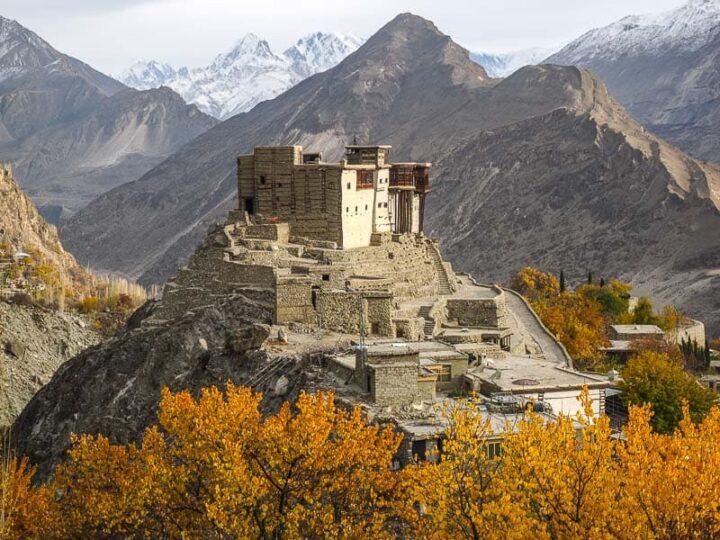
Hunza Adventure Tour
Experience the best of Hunza Valley with visits to ancient forts, crystal-clear lakes, and stunning viewpoints. Perfect introduction to Northern Pakistan.
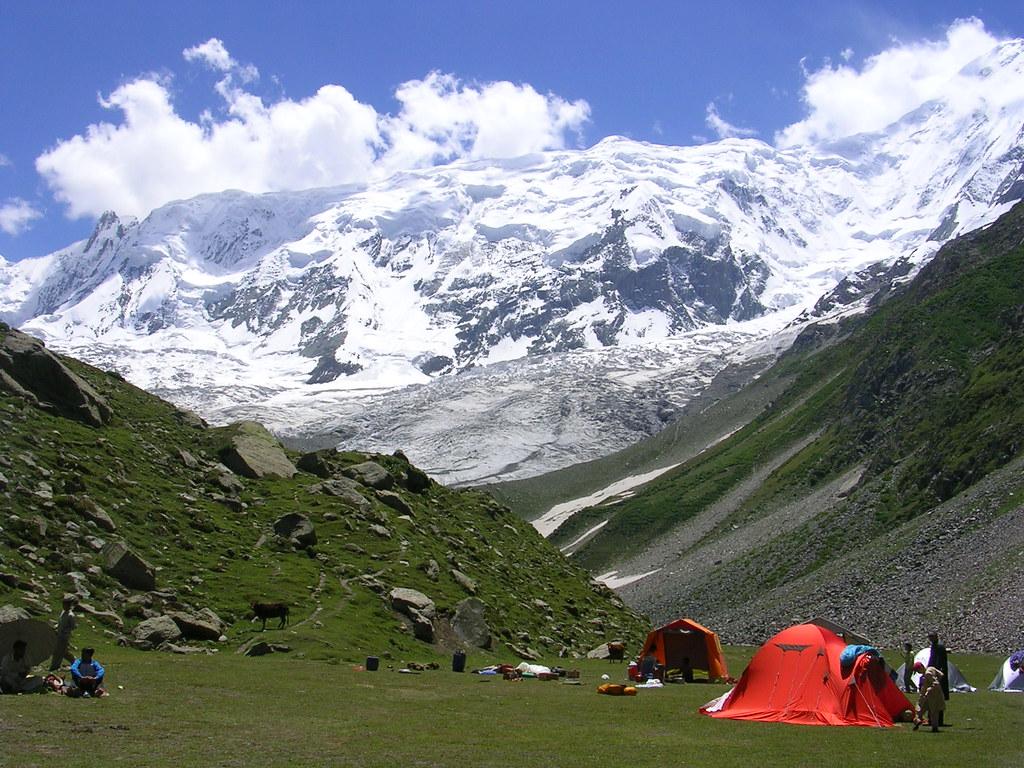
Rakaposhi Expedition (7788m)
Climb Rakaposhi (7788m), the spectacular 'Dumani' — Mother of Mist — rising 7,000m above the Hunza valley.
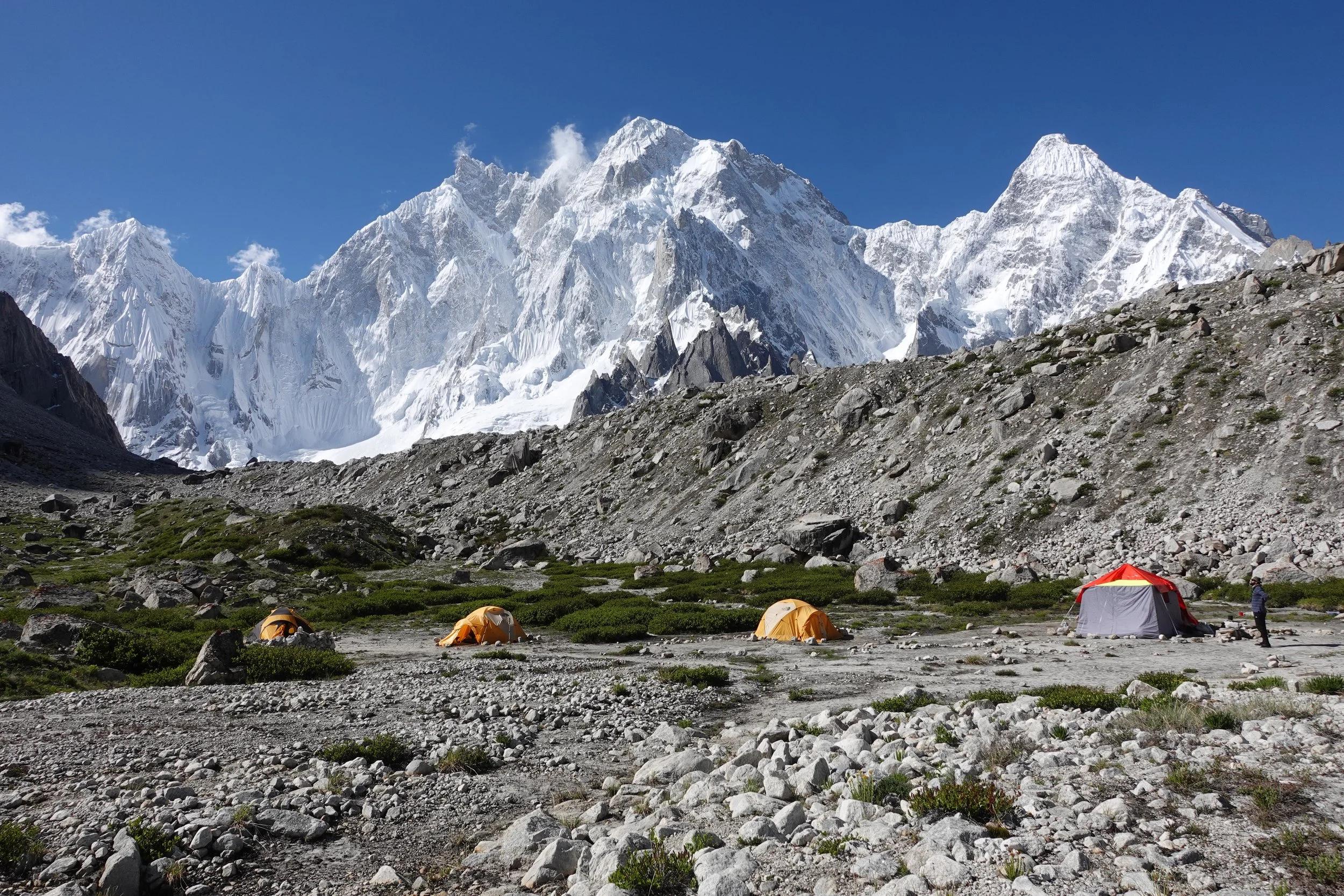
Passu Peak Expedition (7478m)
Climb Passu Peak (7478m), the jagged classic of the Passu Cones above the Karakoram Highway.