
The Biggest Non-Mountain Risk in Pakistan
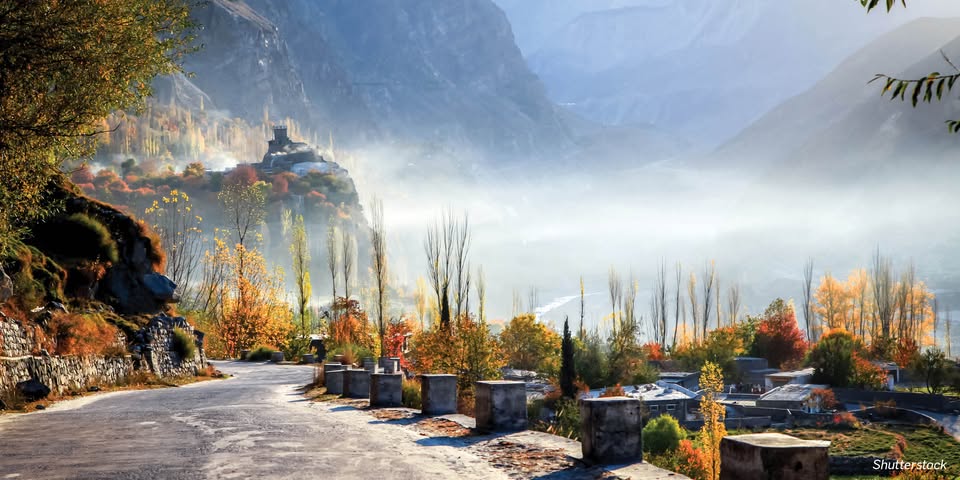
Altitude illness is one of the most important health risks for travellers heading into the high mountains of northern Pakistan. Skardu sits at 2,438 metres. Deosai is at 4,114. Fairy Meadows is at 3,300. Skardu airport is at 2,500 metres, and a direct international flight can put you at that altitude in hours with no chance to adapt. That single fact explains most of the altitude problems we see.
This guide covers how to acclimatise properly, the three forms of altitude illness and their warning signs, what actually prevents the problem, and when the correct decision is to go down.
The Three Forms of Altitude Illness
Acute Mountain Sickness (AMS)
AMS is the common, mild form and the gateway to the serious two. It is diagnosed by headache plus at least one other symptom, within 6 to 24 hours of arriving above roughly 2,500 metres.
- Headache, usually the first and defining symptom
- Nausea, vomiting or loss of appetite
- Fatigue far worse than the walking warrants
- Dizziness or light-headedness
- Poor sleep, especially with periodic breathing
Do not take AMS lightly. It is your body's warning that you are ascending faster than you are adapting, and the direct precursor of the two dangerous forms.
High Altitude Cerebral Oedema (HACE)
HACE is brain swelling. It is rare but it kills, and it almost always develops on the background of AMS that was ignored or pushed through.
- Ataxia. Stumbling, walking like you are drunk, or unable to walk a straight line
- Severe headache that does not respond to painkillers
- Confusion, unusual behaviour or drowsiness
- Extreme fatigue or inability to stay awake
Ataxia alone means descend immediately. Do not go to bed hoping to sleep it off. HACE can progress from walking unsteadily to unconscious in under 12 hours.
High Altitude Pulmonary Oedema (HAPE)
HAPE is fluid filling the lungs. It can kill a fit, experienced climber with no warning, and most often affects people who ascend very quickly, especially after a direct flight into Skardu or Gilgit.
- Breathlessness at rest, not just while walking
- A dry cough that becomes productive and wet
- Chest tightness or a feeling of being compressed
- Extreme fatigue and inability to keep up with the group
- Wheezing, or blue-tinged lips in severe cases
Descending is the treatment for both HACE and HAPE. Oxygen and nifedipine help if available, but they are not substitutes for going down.
The Ascent Rule: The Most Important Concept in This Article
Here is the single rule that prevents almost every altitude death.
Never increase your sleeping altitude by more than 300 to 500 metres in any 24 hour period, and take a rest day for every 1,000 metres of sleeping altitude gained.
Camp higher, sleep lower. If you climb to 4,000 metres in the day, come back down to sleep at 3,500. This feels inefficient and it is the reason experienced climbers rarely get seriously ill.
An Acclimatisation Schedule for Pakistan
Arriving by air into Skardu or Gilgit
Both airports are around 2,400 to 2,500 metres. Fly, then stay in town for two full nights before going higher, with gentle walking only on day one. This is not optional if you intend to reach Deosai.
Deosai at 4,114 metres
The road from Skardu climbs about 1,700 vertical metres in under two hours, which is a fast ascent by any measure.
- Two nights in Skardu first, with no more than 30 minutes of walking on day one
- Sleep a second night in Skardu if you feel anything at all on the plateau
- On the plateau, do not drive long distances and then expect to sleep well
- Never drink alcohol above 3,000 metres, ever
- Give yourself a full day at 4,000 metres before attempting anything physical
Fairy Meadows at 3,300 metres
Two nights in Skardu before you trek in gives almost everyone enough time to acclimatise. Three or four days is better if you are coming from sea level or flying in directly from another continent.
Expeditions above 6,000 metres
Our K2 and Nanga Parbat programmes run formal acclimatisation rotations for this reason. The rule does not loosen at altitude. It gets stricter.
What Actually Prevents Altitude Sickness
- Ascend slowly and sleep lower. By far the most effective intervention.
- Hydrate properly. Three to four litres a day. Do not over-drink to the point of hyponatraemia.
- Eat more carbohydrate. Altitude burns noticeably more energy, and most people under-eat.
- Avoid alcohol and sleeping pills above 3,000 metres. Both suppress breathing during sleep.
- Exercise before you travel. Fitness does not prevent altitude sickness, but it helps you tolerate symptoms.
- Do not take acetazolamide as a shortcut. Diamox works as prophylaxis, but it is not a licence to ascend fast.
- Never ignore a headache because you have a flight to catch or a summit day planned.
Being fit, being young and having acclimatised before are all protective in practice. None of them stop your body from struggling with oxygen.
Altitude Sickness in Children and Older Travellers
Children may be less likely to report symptoms, which makes them harder to monitor. Anyone with heart or lung conditions, or a history of altitude problems, should discuss the trip with a doctor first.
Slow is the universal answer at all ages. Our 14-day Gilgit-Baltistan tour is built with staged altitudes for this reason.
The Emergency Descent Plan
Decide this before you need it, because altitude impairs judgement precisely when the decision matters most.
- Know your descent route. Which valley, which road, how many hours to a lower elevation.
- Carry a satellite communicator or PLB. There is frequently no mobile signal above 3,000 metres.
- Descend with the sick person and at least one other. Never split a group in the mountains.
- Descend and do not go up. Sleeping higher with AMS symptoms is how AMS becomes HACE.
- Oxygen and nifedipine are adjuncts, not alternatives. Descending is the actual treatment.
- Register your plan. Leave your itinerary and return date with someone at home.
The Bottom Line
Altitude sickness is the most preventable serious risk in Northern Pakistan, and almost every case traces back to three things: arriving by air and ascending immediately, ascending faster than 500 metres of sleeping altitude per day, or ignoring a headache.
Build two nights in Skardu into your itinerary. Follow the ascent rule. Carry a satellite communicator on the high routes. And if someone cannot walk a straight line, descend now.
Talk to our team about your itinerary and we will tell you honestly whether your planned altitude gain is realistic. Our packing guide covers the rest of the kit.