Shandur Pass Guide:
Polo Festival, Route, Best Time & Travel Tips
Shandur Pass,
located at approximately 3,700 metres (12,140 feet) above sea level, is
one of the most spectacular high-altitude destinations in northern Pakistan.
Situated between Ghizer in Gilgit-Baltistan and Upper Chitral in Khyber
Pakhtunkhwa, Shandur is famous for the Shandur Polo Festival and its
remarkable natural polo ground. The surrounding alpine meadows, rugged
mountains and clear mountain lakes make Shandur Pass a memorable destination
for road trips, photography, camping and adventure travel.
Known for its traditional
freestyle polo matches, Shandur has become one of Pakistan's most distinctive
mountain destinations. During summer, the high-altitude plateau turns green,
wildflowers appear across the meadows, and the surrounding peaks create a
dramatic backdrop for one of the country's most famous sporting and cultural
events.
Shandur Pass at a
Glance
|
Information |
Details |
|
Location |
Ghizer, Gilgit-Baltistan
/ Upper Chitral |
|
Elevation |
Approximately 3,700 m |
|
Famous for |
Shandur Polo Festival |
|
Polo ground |
World's highest natural
polo ground |
|
Main travel season |
June to September |
|
Festival season |
Traditionally late June
or early July |
|
Main activities |
Polo, camping,
photography, hiking and sightseeing |
|
Nearby attraction |
Shandur Lake |
The Gilgit-Baltistan
Tourism Department identifies Shandur as an alpine destination known for its
natural polo ground, Shandur Lake, summer grasslands and the annual polo
festival.
Shandur Polo Festival
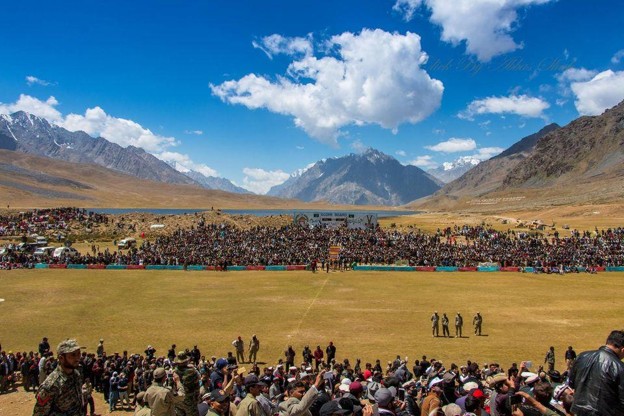
The Shandur Polo
Festival is the main attraction at the pass. Traditionally held in late
June or early July, the festival brings together polo teams representing Gilgit-Baltistan
and Chitral for traditional freestyle polo matches.
Unlike formal polo played
at conventional clubs, Shandur's mountain polo is associated with a faster and
more open style of play. Matches take place at around 3,700 metres, surrounded
by mountains and open alpine meadows.
The festival is also a
cultural gathering, with traditional music, local food, cultural performances,
handicrafts and temporary camping adding to the experience.
Festival dates can
change from year to year, so travellers should check the latest official
announcement before planning a trip around the event.
Why Visit Shandur Pass?
Shandur is much more than
a polo ground. The journey to the pass takes travellers through some of the
most scenic landscapes of northern Pakistan, including remote valleys, mountain
rivers, alpine meadows and high-altitude lakes.
Visitors come to Shandur
for:
- Shandur Polo Festival
- Mountain and landscape photography
- Camping in the alpine meadows
- Hiking and nature walks
- Shandur Lake
- Wildlife and bird watching
- Sunrise and sunset views
- Stargazing
- Cultural experiences
- Scenic mountain road trips
The combination of
high-altitude scenery, traditional culture and remote mountain landscapes makes
Shandur particularly appealing to adventure and nature travellers.
How to Reach Shandur
Pass
Shandur Pass can generally
be approached from either the Gilgit side or the Chitral side during the
summer travel season.
From Gilgit to Shandur
The route from Gilgit
passes through Gahkuch, Gupis, Khalti and Phander Valley before reaching
Shandur. The journey offers spectacular views of the Ghizer region and can be
combined with visits to places such as Phander Lake.
The journey from Gilgit to Shandur can take approximately 6–7 hours under favourable road and weather conditions, but actual travel time can be considerably longer depending on road conditions, stops and weather.
From Chitral to Shandur
Travellers approaching
from Chitral generally travel through Mastuj and Laspur before reaching
the pass.
The Chitral route provides
access to Shandur from the western side and can be combined with a wider
Chitral Valley itinerary.
From Islamabad to
Shandur
Travellers from Islamabad can approach Shandur Pass through either Gilgit-Baltistan or Chitral. A northern route generally follows Islamabad → Gilgit → Gahkuch → Gupis → Phander → Shandur, while the Chitral approach follows Islamabad → Chitral → Mastuj → Laspur → Shandur. Because both routes involve long mountain journeys, travellers should allow additional time for road and weather delays.
Best Time to Visit
Shandur Pass
The main travel season for
Shandur Pass is generally June to September, when the roads are more
accessible and the alpine meadows are green.
June
The landscape begins to
turn green and the summer travel season gets underway. Conditions can still
vary at this altitude.
Late June to Early July
This is traditionally the
most popular period because of the Shandur Polo Festival. Travellers
should arrange transport and accommodation well in advance.
July and August
These months generally
offer good opportunities for sightseeing, camping, photography and exploring
the surrounding valleys, subject to road and weather conditions.
September
The weather becomes cooler
and the landscape begins transitioning toward autumn. Road and weather
conditions should be checked before travelling.
Winter
Heavy snowfall and severe
weather can make access difficult or impossible during the colder months.
Shandur should be treated as a seasonal destination rather than a year-round
road trip.
Shandur Lake
Shandur Lake is one
of the notable natural attractions near the polo ground. The freshwater lake
sits among the surrounding mountains and provides an excellent setting for
photography, bird watching and quiet walks.
For travellers who are not
visiting specifically for the polo festival, combining Shandur Pass and
Shandur Lake can make the journey more rewarding.
Camping at Shandur Pass
Camping is an important
part of the Shandur experience, particularly during the Polo Festival. The wide
alpine plateau provides an opportunity to spend a night surrounded by mountains
and exceptionally open skies.
Accommodation at the pass
itself is limited, so travellers should plan their camping arrangements in
advance. During the festival period, temporary camps are commonly established
for visitors.
Travellers who prefer
hotels or guesthouses can consider staying in nearby destinations such as Phander
and Gupis and visiting Shandur as part of a longer road trip.
What to Pack for
Shandur Pass
Although Shandur is
visited during summer, temperatures at approximately 3,700 metres can remain
cold, especially at night.
Recommended items include:
- Warm layers
- Waterproof and windproof jacket
- Comfortable trekking shoes
- Warm socks
- Gloves
- Sunglasses
- Sunscreen
- Water bottle
- Personal medication
- First-aid supplies
- Power bank
- Headlamp
- Sleeping bag for camping
- Sufficient cash
- Offline maps
Weather can change quickly
at high altitude, so visitors should be prepared for cold, wind and rain even
during the summer months.
Altitude and Safety at
Shandur
At approximately 3,700
metres, Shandur is a high-altitude destination. Travellers who are not
accustomed to high elevations should allow themselves time to adjust and avoid
immediately undertaking strenuous activity if they feel unwell.
Stay hydrated, protect
yourself from the sun and keep warm when temperatures drop. Always check
current weather and road conditions before travelling.
Mountain roads can be
remote, and journey times may change because of weather, landslides, road
repairs or other local conditions. Travelling with an experienced local driver
or guide is recommended.
Places to Visit Around
Shandur
A trip to Shandur can be
combined with several destinations in the surrounding region, including:
- Phander Valley
- Phander Lake
- Gupis Valley
- Khalti Lake
- Yasin Valley
- Gahkuch
- Mastuj
- Laspur Valley
These destinations can be
incorporated into a longer Gilgit-Baltistan or Chitral road trip.
Responsible Tourism at
Shandur
Shandur's alpine
environment is fragile. Visitors should help protect the landscape by carrying
their waste back, avoiding damage to vegetation, respecting grazing areas and
following local guidance.
Avoid disturbing wildlife,
picking wildflowers or leaving plastic and other waste behind. Responsible
tourism helps preserve Shandur's natural environment for local communities and
future visitors.
Shandur Pass Travel
Itinerary
4-Day Shandur Pass
Itinerary from Gilgit
Day 1: Gilgit →
Gahkuch → Gupis / Phander
Travel through the scenic Ghizer Valley and stay overnight in the region.
Day 2: Phander /
Gupis → Shandur Pass
Continue toward Shandur, explore the plateau and enjoy the mountain scenery.
Camp or stay according to available arrangements.
Day 3: Explore
Shandur Pass → Shandur Lake → Return toward Phander
Spend time photographing the landscape, visiting Shandur Lake and exploring the
surrounding area.
Day 4: Phander /
Gupis → Gilgit
Return to Gilgit and continue your onward journey.
For the Polo Festival, the
itinerary should be adjusted according to the officially announced event dates
and current road conditions.
Frequently Asked
Questions About Shandur Pass
What is Shandur Pass
famous for?
Shandur Pass is famous for
the Shandur Polo Festival and its high-altitude natural polo ground at
approximately 3,700 metres.
What is the best time
to visit Shandur Pass?
The main travel season is
generally June to September, while late June and early July are
traditionally popular for the Shandur Polo Festival.
How high is Shandur
Pass?
Shandur Pass is
approximately 3,700 metres (12,140 feet) above sea level.
How do I reach Shandur
Pass?
Shandur can be approached
from Gilgit through the Ghizer and Phander region or from Chitral
through Mastuj and Laspur.
Is Shandur Pass open in
winter?
Winter access can be
severely restricted because of heavy snowfall and mountain-road conditions. The
pass is primarily a summer destination.
Can I camp at Shandur
Pass?
Yes. Camping is an
important part of the Shandur experience, particularly during the Polo
Festival, although visitors should arrange their camping and supplies in
advance.
Is Shandur Pass
suitable for families?
Families who are
comfortable with long mountain road journeys and high-altitude conditions can
visit during the accessible summer season. Because of the elevation and remote
location, the trip requires appropriate preparation.
Final Thoughts
Shandur Pass is where
polo, culture and the high mountains of northern Pakistan come together.
From the excitement of the Shandur Polo Festival to the peaceful alpine meadows
and Shandur Lake, the destination offers far more than a sporting event.
Whether you visit for the
polo, photography, camping, hiking or the journey through the spectacular
valleys of Gilgit-Baltistan and Chitral, Shandur Pass offers a distinctive
high-altitude travel experience.
Plan carefully, check
current road and weather conditions, respect the local environment and allow
enough time to enjoy the journey—not just the destination.