Best Time to Visit Hunza Valley: Month-by-Month Guide
|
Month |
What Hunza Looks Like |
Best For |
|
January |
Very cold, with snow covering many parts of Hunza. Some
higher-altitude roads and attractions may be difficult to access. |
❄️ Snowy scenery, winter
photography, peaceful travel |
|
February |
Winter continues, with freezing temperatures and snow in
many areas. Lower valleys may begin to feel slightly less harsh toward the
end of the month. |
❄️ Snow, solitude, winter
landscapes |
|
March |
Winter starts easing in lower Hunza, while higher areas
remain snowy. Early signs of spring appear in sheltered areas. |
📸 Early-spring
photography, quiet sightseeing |
|
April |
One of Hunza’s most famous months: blossoms begin,
especially in lower and central areas. Weather becomes milder, though nights
can still be cold. |
🌸 Cherry & apricot
blossoms, photography, sightseeing |
|
May |
The valley becomes greener and warmer. Blossoms gradually
give way to lush greenery, and more hiking routes become accessible. |
🌿 Sightseeing, hiking,
photography, road trips |
|
June |
Summer arrives, with pleasant days and cool nights.
Higher-altitude areas become increasingly accessible as snow clears. |
🏔️ Trekking, road
trips, mountain views |
|
July |
Peak summer in Hunza. Long days, green valleys and
generally accessible mountain roads make it a popular travel period. |
🚙 Khunjerab Pass,
trekking, sightseeing, road trips |
|
August |
Warm and green, with busy tourist areas. Higher mountains
remain impressive, while occasional rain can affect road conditions. |
🏔️ Trekking,
sightseeing, family trips, mountain tourism |
|
September |
Temperatures begin to cool, crowds generally decrease, and
mountain visibility can be excellent. Early autumn colours may appear toward
the end of the month. |
📸 Hiking, photography,
road trips |
|
October |
Autumn transforms Hunza, with golden, yellow and
orange foliage. Days are cool and nights become noticeably colder. |
🍂 Autumn photography,
scenic drives, sightseeing |
|
November |
Autumn colours fade, temperatures drop, and Hunza
gradually moves toward winter. Some higher-altitude routes may become
difficult depending on weather. |
🍂 Late-autumn scenery,
quiet travel, photography |
|
December |
Winter returns with cold temperatures and snowfall
possible across the valley, particularly at higher elevations. |
❄️ Winter scenery, snow,
peaceful mountain experience |
Explore our Hunza Adventure Tour
Hunza Valley is one of the most spectacular destinations in
northern Pakistan, but it looks completely different throughout the year.
Spring brings cherry and apricot blossoms, summer brings green valleys and
access to high mountain areas, autumn covers the valley in golden colours,
while winter transforms Hunza into a quiet snow-covered landscape.
There is therefore no single best month for everyone. The
right time depends on what you want to experience.
If you want blossoms, plan around March and April.
If you want green valleys and mountain travel, May to August offers extensive
access.
If you want golden autumn colours, September and October are particularly
attractive.
If you want snow and a quieter Hunza, November to February can provide a
completely different experience.
January – Winter in Hunza
January is one of the coldest months in Hunza. Snow can
cover the surrounding mountains and villages, while tourism activity is much
quieter than during spring and summer.
This is not the month for travellers looking for extensive
trekking or access to every high-altitude attraction. Instead, January suits
visitors who specifically want snow, quiet villages, winter photography and a
peaceful mountain atmosphere.
Lower Hunza can remain accessible, but road and weather
conditions should be checked before travelling.
Best for: Snow scenery, photography, peaceful travel
Expect: Very cold conditions and limited access to some higher areas

February – Snow and Solitude
February remains a winter month in Hunza. The valley is
generally quiet, and snow remains an important part of the landscape.
For travellers who enjoy winter scenery rather than busy
tourist attractions, February can be an interesting time to visit. However, you
should be prepared for cold temperatures, possible snowfall and changing road
conditions.
Best for: Winter photography and solitude
Expect: Cold weather and limited high-altitude access
March – The Beginning of Spring
March marks the transition from winter to spring.
Lower parts of Hunza begin to wake up as temperatures rise, although winter conditions can still be present, particularly at higher elevations. Early blossoms may begin appearing in some lower areas toward the latter part of the month.
March can be a good choice if you want to experience Hunza
before the main spring tourism period.
Best for: Early Spring, photography and quieter travel
Expect: Cold mornings and changing conditions
Blossom timing is not fixed to a particular date every year;
recent travel guides place the main blossom window around late March and April,
with variation depending on weather and elevation.
April – Cherry and Apricot Blossom Season
April is one of the most visually impressive months in
Hunza.
Cherry, apricot and other fruit trees can cover parts of the
valley in pink and white blossoms, while snow remains on the surrounding
Karakoram peaks. This combination makes April particularly popular with
photographers and travellers looking for spring scenery.
Karimabad, Altit, Baltit and surrounding villages can be
especially attractive during blossom season.
Best for:
- Cherry
blossoms
- Apricot
blossoms
- Photography
- Cultural
sightseeing
- Spring
landscapes
Important: Blossom dates change from year to year, so do not
treat a particular date as guaranteed.
Explore our Hunza Adventure Tour


May – Green Hunza and the Start of the Main Season
By May, much of Hunza becomes greener and the spring
landscape starts changing into the summer season.
The weather becomes more comfortable for sightseeing,
walking and exploring villages. Higher areas also begin becoming more
accessible as winter conditions retreat.
May is particularly interesting for travellers who want a
combination of pleasant weather, green landscapes and fewer crowds than the
busiest summer months.
Best for:
- Sightseeing
- Hiking
- Photography
- Green
landscapes
- Cultural
exploration
June – Summer Begins
June marks the beginning of the main mountain tourism
season.
The valley becomes greener, days become longer and travel to
Upper Hunza becomes increasingly attractive. Depending on current road and
weather conditions, this is also a useful period for planning excursions toward
areas such as Passu, Gulmit and Khunjerab.
For adventure travellers, June is also an important period
for trekking and mountain activities.
Best for: Trekking, hiking, sightseeing and mountain road trips.
Explore our Patundas Trek
Explore our Batura
Glacier Trek – Upper Hunza, Pakistan


July – Peak Summer Travel Season
July is one of the busiest periods for tourism in northern
Pakistan.
Hunza is generally green, mountain roads are more
accessible, and travelers can plan longer excursions into Upper Hunza and
surrounding mountain areas, subject to current conditions.
This is a strong month for travelers interested in trekking,
hiking, sightseeing, photography and high-altitude excursions.
Because July is part of the peak travel season,
accommodation and transport should be arranged in advance.
Best for:
- Trekking
- Khunjerab
excursions
- Upper
Hunza
- Hiking
- Family and adventure tours
Explore our Patundas Trek
August – Green Valleys and Mountain Adventures
August continues the summer tourism season.
Hunza remains green, and the longer daylight hours are
useful for sightseeing and mountain excursions. This is also a popular period
for trekking and exploring the wider Gilgit-Baltistan region.
The valley can be busy during the summer holidays, so
travellers should plan accommodation and transportation ahead of time.
Best for: Adventure travel, trekking, sightseeing and
extended northern Pakistan tours.
September – Clear Mountain Views and the Beginning of Autumn
September is when Hunza begins transitioning from summer
toward autumn.
The intense summer greenery gradually starts changing,
temperatures become more comfortable and the valley can offer excellent
mountain views.
It is also a good month for travellers who want to combine
sightseeing with trekking before colder autumn conditions arrive at higher
elevations.
Explore our Shangri-La
Hunza Tour
Best for:
- Hiking
- Trekking
- Photography
- Road
trips
- Mountain
views
Explore our Minglik
Sar Expedition 6,050m | Shimshal Valley Pakistan


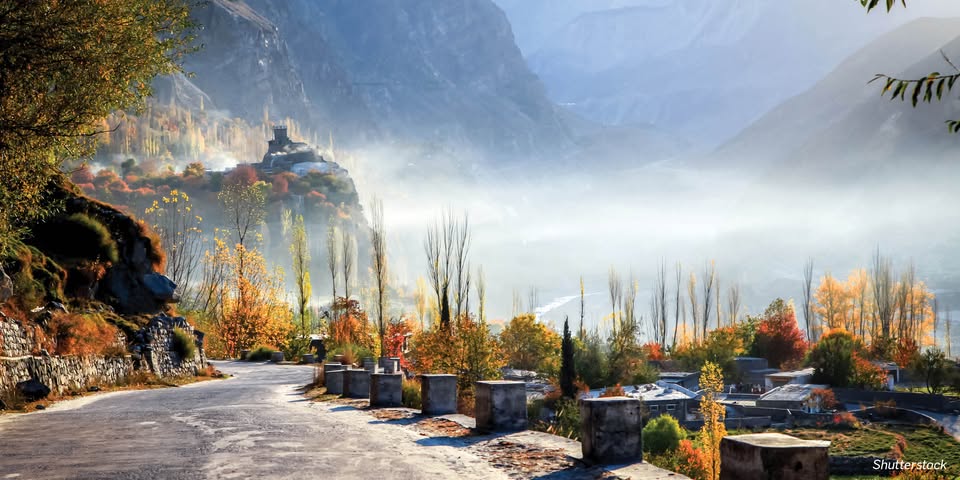
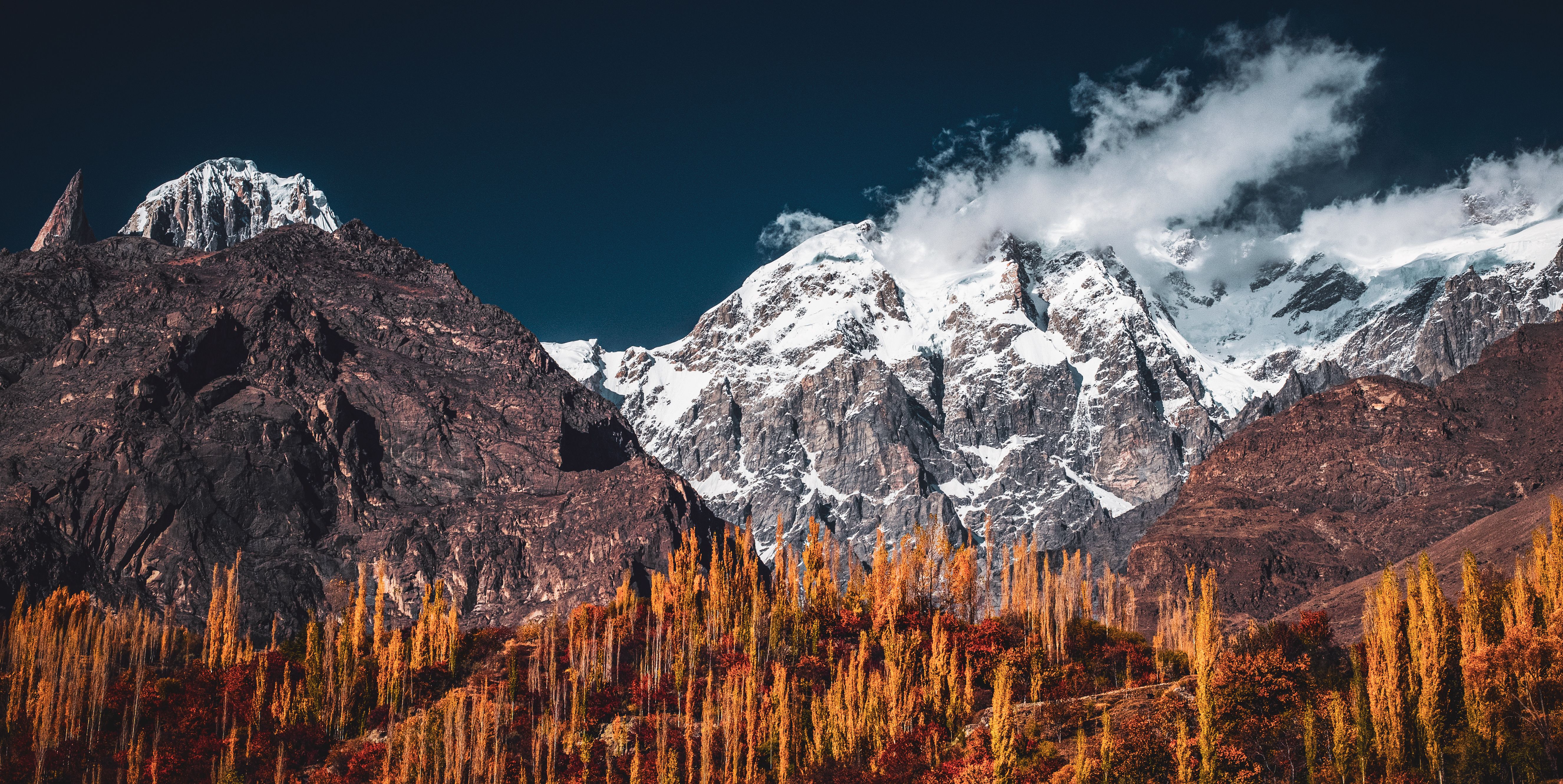
October – Golden Autumn in Hunza
October is famous for the spectacular autumn colours of
Hunza.
Poplar trees and other vegetation can turn yellow, orange
and golden, creating dramatic scenery against the dark and snow-covered
Karakoram mountains.
For photographers, October offers some of the most
distinctive landscapes of the year. Autumn timing varies with weather and
elevation, but September–October is widely identified as the main autumn-colour
period.
Best for:
- Autumn
photography
- Mountain
landscapes
- Cultural
tours
- Scenic
road trips
- Fewer
summer crowds


November – The Transition to Winter
November marks the transition from autumn into winter.
The famous golden foliage begins disappearing, temperatures
drop and tourism becomes quieter. Some higher-altitude routes and attractions
may become increasingly difficult to access depending on snowfall and local
conditions.
For travellers who prefer quiet destinations and cooler
weather, November can still be worthwhile, particularly in lower Hunza.
Best for: Quiet travel, photography and cultural exploration
Expect: Increasing cold and changing road conditions
Explore our Shangri-La
Hunza Tour
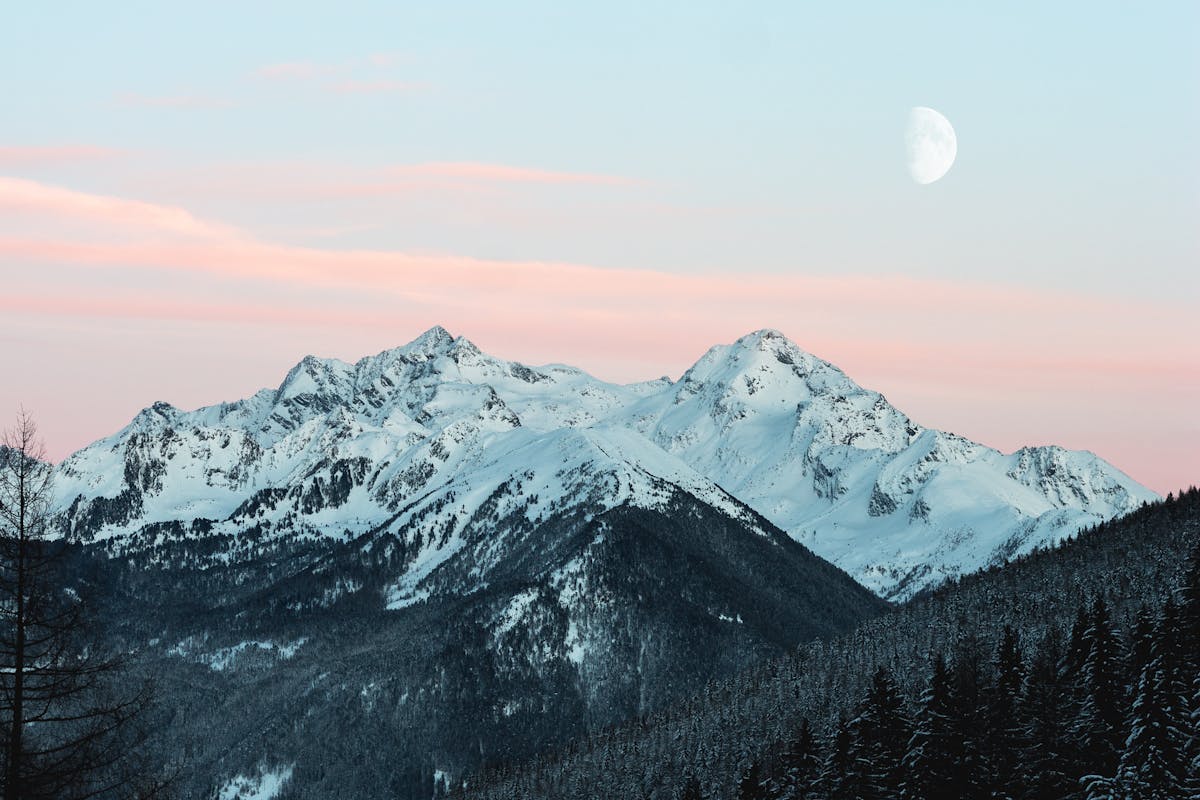
December – Snowy Hunza
December brings winter back to Hunza.
Snow-covered mountains, frozen landscapes and quiet villages
create a very different atmosphere from the busy summer season.
This is a month for travellers specifically interested in winter
scenery and snow, rather than extensive mountain trekking.
Before travelling in December, check current road
conditions, accommodation heating and weather forecasts.
Best for: Snow, winter photography and peaceful mountain
experiences.


Explore our Shangri-La
Hunza Tour
What Should You Pack for Hunza?
Your packing list should change according to the month.
Spring:
Warm layers, fleece, waterproof jacket, comfortable walking shoes and sun
protection.
Summer:
Light clothing for daytime, a warm layer for evenings, hiking shoes, sunglasses
and sunscreen.
Autumn:
Warm layers, fleece or insulated jacket, comfortable shoes and protection from
cold evenings.
Winter:
Proper insulated clothing, thermal layers, gloves, warm socks, waterproof
footwear and a winter jacket.
Because Hunza is at considerable elevation, even summer
evenings can feel cool, so carrying at least one warm layer is sensible.
How Many Days Do You Need in Hunza?
For a first visit, 5–7 days gives you enough time to explore
the major attractions without rushing.
A longer itinerary allows you to explore Upper Hunza,
Attabad Lake, Passu, Gulmit, Khunjerab and surrounding valleys more thoroughly.
Adventure travellers planning trekking or combining Hunza
with other areas of Gilgit-Baltistan should allow additional time.
Plan Your Hunza Trip with Eco Adventurers Tours
Whether you want to see spring blossoms, green summer
valleys, autumn colours or snowy winter landscapes, Eco Adventurers Tours can
help arrange a trip around the season you want to experience.
Our itineraries can be planned around your preferred travel
dates, interests and level of adventure.
Explore Hunza with Eco Adventurers Tours and experience the
valley in the season that suits your journey.